Introduction: The Simple Dish That Captures the Heart of Vietnamese Cuisine
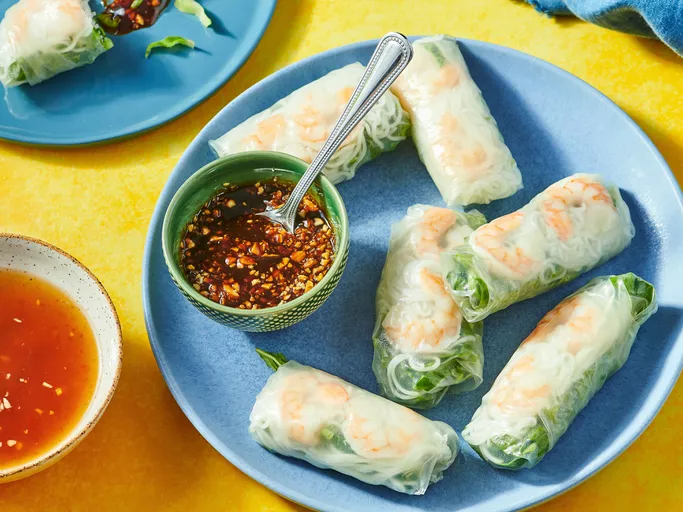
Imagine biting into a soft, delicate rice paper roll filled with crisp vegetables, fragrant herbs, tender shrimp, and silky rice noodles. Every bite is cool, refreshing, and packed with layers of texture. Unlike deep-fried appetizers, Vietnamese Fresh Spring Rolls offer a light yet satisfying meal that celebrates fresh ingredients rather than heavy sauces.
Known in Vietnam as Gỏi Cuốn, these fresh spring rolls have become one of the country’s most beloved dishes. Their popularity has spread worldwide because they are delicious, healthy, customizable, and surprisingly easy to make at home.
Whether you’re preparing a quick lunch, serving appetizers for a dinner party, or looking for a nutritious family meal, Vietnamese Fresh Spring Rolls fit almost every occasion. They require no frying, can be adapted for different diets, and encourage creativity with endless filling combinations.
In this guide, you’ll learn everything you need to know—from their history and ingredients to step-by-step preparation, common mistakes to avoid, serving ideas, and expert tips that help you roll like a pro.
What Are Vietnamese Fresh Spring Rolls?
Vietnamese Fresh Spring Rolls are soft rice paper wrappers filled with fresh vegetables, herbs, rice vermicelli noodles, and protein such as shrimp, pork, chicken, tofu, or even avocado. They are served cold or at room temperature with flavorful dipping sauces.
Unlike fried spring rolls found in many Asian cuisines, these rolls are never deep-fried. Their refreshing taste comes from the balance of crisp vegetables, aromatic herbs, and savory fillings wrapped inside translucent rice paper.
Traditional ingredients often include:
- Rice paper wrappers
- Rice vermicelli noodles
- Cooked shrimp
- Sliced pork
- Lettuce
- Mint
- Thai basil
- Cilantro
- Cucumber
- Carrots
Each ingredient contributes something unique, creating harmony in every bite.
The Story Behind Vietnamese Fresh Spring Rolls
Fresh spring rolls originated in southern Vietnam, where warm weather encourages meals centered around fresh herbs and vegetables.
Vietnamese cuisine emphasizes balance—sweet, salty, sour, bitter, and umami flavors working together. Fresh spring rolls perfectly represent this philosophy.
Families often gather around the table with plates of prepared ingredients, allowing everyone to assemble their own rolls. The meal becomes interactive, encouraging conversation and shared experiences.
Today, these rolls are enjoyed across the globe in Vietnamese restaurants, home kitchens, and healthy meal-prep routines.
Why Fresh Spring Rolls Are So Popular
Several reasons explain their worldwide popularity.
They’re Healthy
| Nutrient/Feature | Typical Amount (Per Shrimp Fresh Spring Roll) | Benefits |
|---|---|---|
| Calories | 120–180 kcal | A light, satisfying option for meals or snacks. |
| Protein | 6–10 g | Supports muscle growth, repair, and keeps you feeling full longer. |
| Fiber | 2–4 g | Promotes healthy digestion and helps maintain fullness. |
| Vitamin A | Moderate amount | Supports healthy vision, immune function, and skin health. |
| Vitamin C | Moderate amount | Boosts immunity and aids collagen production. |
| Carbohydrates | 15–20 g | Provides steady energy, primarily from rice noodles and vegetables. |
| Fat | 2–5 g | Naturally low in fat since the rolls are not fried. |
| Cooking Method | Fresh (No Frying) | Reduces added oils and saturated fat compared to fried appetizers. |
Note: Nutritional values are approximate and may vary depending on the size of the roll, the ingredients used, and the dipping sauce served alongside it. Peanut-based sauces, for example, can significantly increase the calorie and fat content.nd dipping sauces.
They’re Highly Customizable
Almost every ingredient can be swapped.
Examples include:
- Vegetarian tofu
- Grilled chicken
- Beef
- Salmon
- Mango
- Bell peppers
- Purple cabbage
- Avocado
- Mushrooms
This flexibility makes them suitable for many dietary preferences.
They’re Beautiful
The translucent rice paper showcases colorful vegetables and herbs, making every roll look restaurant-quality with minimal effort.
Essential Ingredients
Rice Paper Wrappers
Rice paper is made from rice flour, tapioca flour, water, and salt.
When briefly soaked in warm water, it becomes flexible enough to wrap fillings.
Avoid soaking too long, or the wrapper becomes sticky and tears easily.
Rice Vermicelli Noodles
These thin rice noodles provide texture without overwhelming the vegetables.
Cook them according to package instructions, rinse with cold water, and drain thoroughly.
Fresh Herbs
Herbs are one of the defining features of Vietnamese cooking.
Popular choices include:
- Mint
- Thai basil
- Cilantro
Fresh herbs give the rolls their signature aroma.
Crisp Vegetables
Good vegetables include:
- Lettuce
- Cucumbers
- Carrots
- Bean sprouts
- Bell peppers
- Cabbage
Slice vegetables thinly for easier rolling.
Protein Options
Traditional proteins include:
Shrimp
Cooked shrimp adds sweetness and a beautiful appearance.
Pork
Thin slices of boiled pork are commonly used in authentic recipes.
Chicken
Grilled or poached chicken creates a lighter variation.
Tofu
Marinated tofu makes an excellent vegetarian choice.
Step-by-Step Guide to Making Vietnamese Fresh Spring Rolls
Step 1: Prepare Every Ingredient
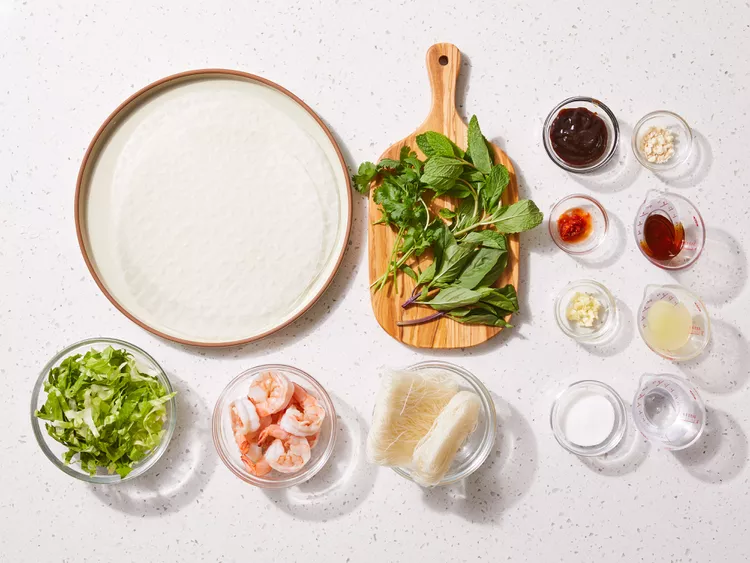
Organize everything before assembling.
You’ll need:
- Cooked protein
- Cooked noodles
- Washed herbs
- Sliced vegetables
- Rice paper
- Warm water
Preparation is the secret to smooth rolling.
Step 2: Soften the Rice Paper
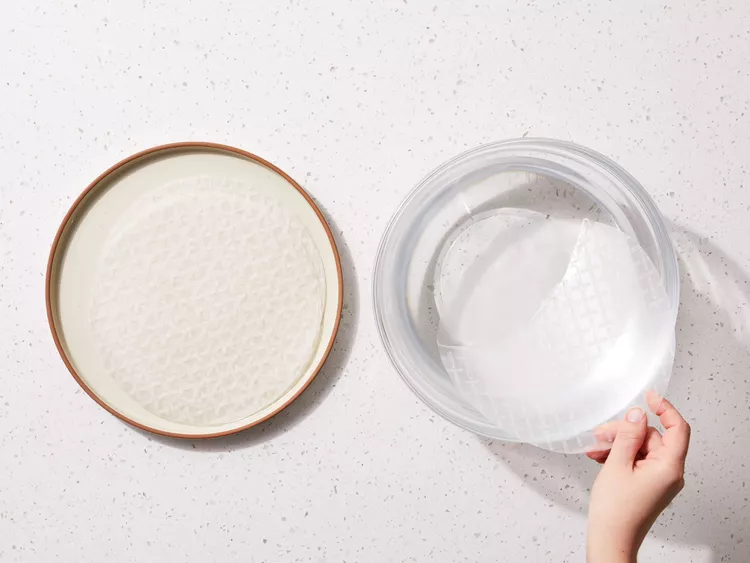
Fill a shallow bowl with warm water.
Dip one rice paper wrapper for about 5–10 seconds.
Lay it on a clean damp towel or cutting board.
The wrapper will continue softening after removal.
Step 3: Layer the Fillings
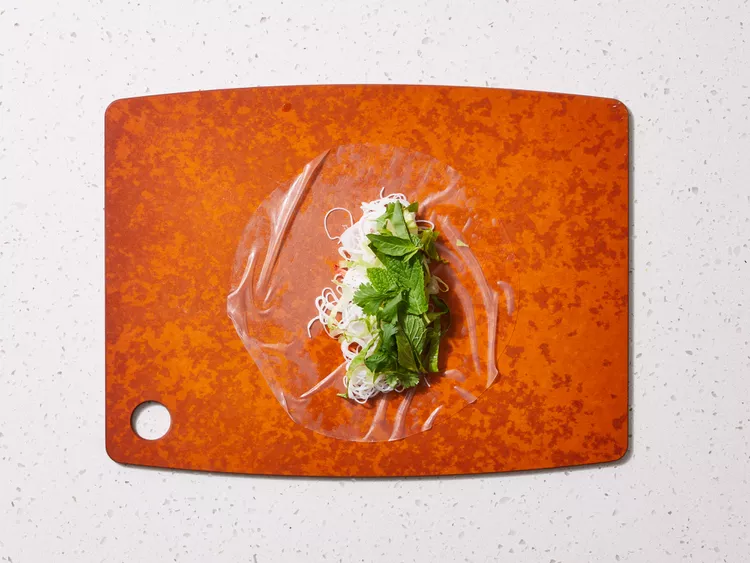
Start with lettuce.
Add:
- Rice noodles
- Vegetables
- Herbs
- Protein
Leave about 2 inches of space around the edges.
Avoid overfilling.
Step 4: Roll Tightly
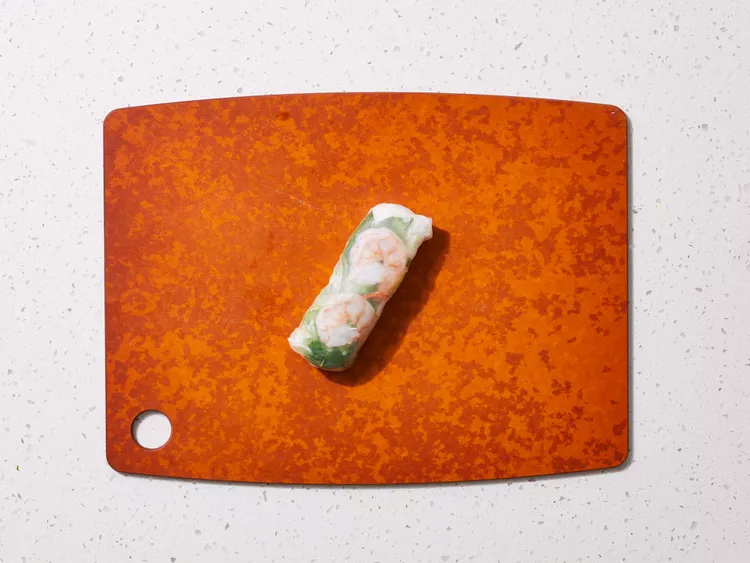
Fold the bottom over the filling.
Fold both sides inward.
Continue rolling tightly until sealed.
The rice paper naturally sticks to itself.
Step 5: Serve Immediately
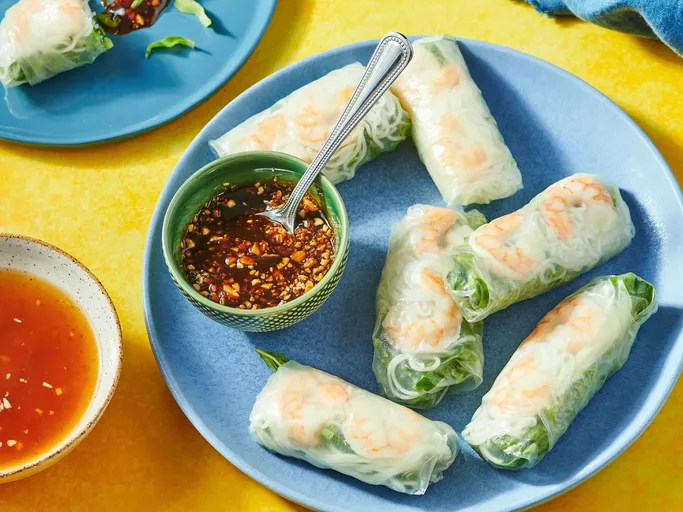
Fresh spring rolls taste best shortly after assembly.
Serve with dipping sauces for maximum flavor.
The Best Dipping Sauces
Peanut Hoisin Sauce
This creamy favorite combines:
- Hoisin sauce
- Peanut butter
- Garlic
- Water
- Lime juice
- Crushed peanuts
Its sweet, nutty flavor pairs perfectly with shrimp and pork.
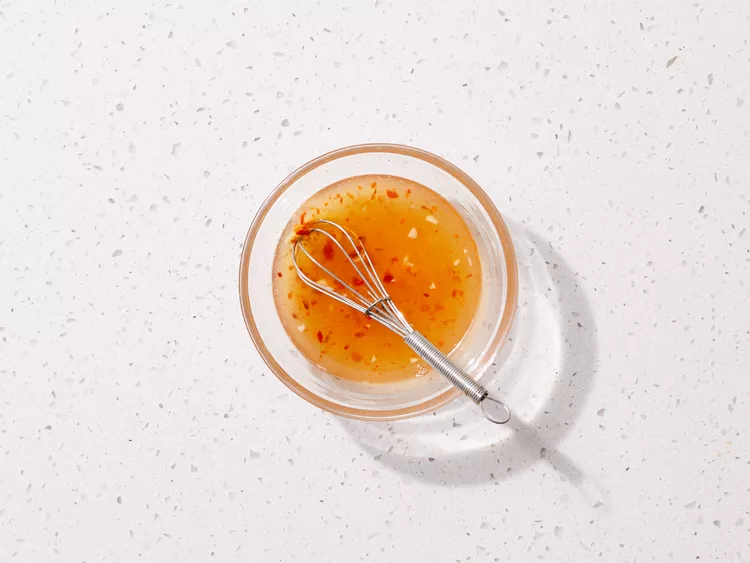
Vietnamese Fish Sauce Dip (Nuoc Cham)
A classic mixture of:
- Fish sauce
- Lime juice
- Sugar
- Garlic
- Chili
- Water
It delivers the famous Vietnamese balance of sweet, salty, sour, and spicy flavors.
Spicy Chili Sauce
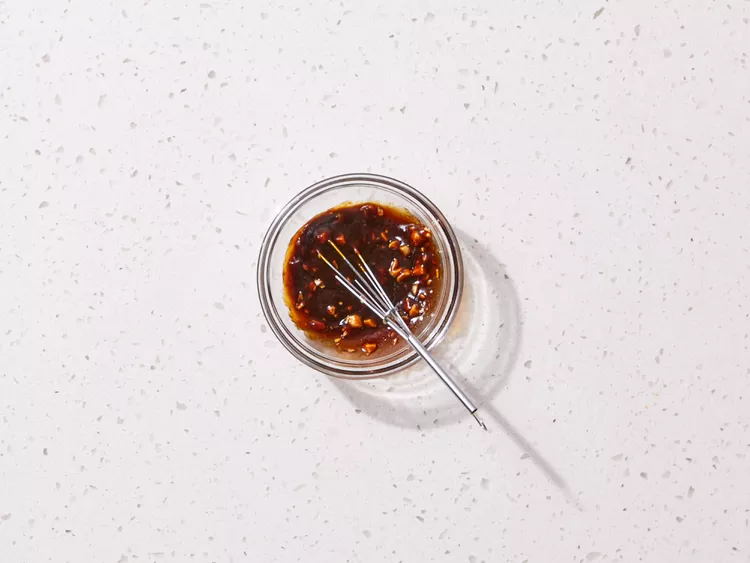
For extra heat, combine:
- Chili garlic sauce
- Soy sauce
- Lime juice
- Honey
This works especially well with chicken or tofu.
Common Mistakes to Avoid
Soaking Rice Paper Too Long
Over-soaked wrappers become sticky and difficult to handle.
Instead, dip briefly and let them soften naturally.
Overfilling the Rolls
Too many ingredients make rolling difficult.
Less filling creates tighter, neater rolls.
Skipping Fresh Herbs
Herbs aren’t just garnish.
They are one of the most important flavor components.
Wet Vegetables
Dry vegetables thoroughly after washing.
Excess moisture can make the rolls soggy.
Rolling Too Loosely
Loose rolls fall apart while eating.
Apply gentle but steady pressure during rolling.
Creative Filling Ideas
Fresh spring rolls encourage experimentation.
Try combinations like:
Tropical Roll
- Shrimp
- Mango
- Avocado
- Mint
Crunchy Rainbow Roll
- Purple cabbage
- Carrots
- Cucumber
- Bell peppers
- Tofu
Grilled Chicken Roll
- Chicken
- Lettuce
- Rice noodles
- Cilantro
- Basil
Spicy Beef Roll
- Thin grilled beef
- Pickled carrots
- Jalapeños
- Herbs
Vegan Power Roll
- Baked tofu
- Edamame
- Avocado
- Spinach
- Cucumber
Meal Prep Tips
Fresh spring rolls can fit into weekly meal planning.
Instead of rolling everything ahead of time:
- Store fillings separately.
- Cook noodles in advance.
- Wash herbs early.
- Slice vegetables the night before.
Roll them just before eating for the freshest texture.
If already assembled, wrap each roll individually in plastic wrap or place them in an airtight container lined with damp paper towels to help prevent drying. Refrigerate and enjoy within 24 hours for the best quality.
Are Vietnamese Fresh Spring Rolls Healthy?
Yes.
Compared with many fried appetizers, fresh spring rolls generally contain:
- Less saturated fat
- More vegetables
- More fiber
- Lean protein
- Fresh herbs rich in antioxidants
Nutrition changes depending on sauces.
Peanut sauce is delicious but usually higher in calories than fish sauce.
If you’re watching calorie intake, serve smaller portions of peanut sauce or alternate with lighter dipping options.
Serving Ideas
Fresh spring rolls work for many occasions.
Serve them as:
- Healthy lunch
- Party appetizer
- Picnic food
- Light dinner
- Family meal
- Summer gathering
- Potluck contribution
Pair them with:
- Vietnamese iced coffee
- Jasmine tea
- Pho
- Light noodle salads
- Stir-fried vegetables
Tips for Restaurant-Quality Spring Rolls
Use the Freshest Herbs
Fresh herbs dramatically improve flavor.
Cut Ingredients Evenly
Uniform slices create beautiful rolls.
Keep Your Work Surface Damp
This prevents sticking.
Practice Rolling
Your first few rolls may look imperfect.
After five or six, rolling becomes much easier.
Serve Fresh
These rolls shine when eaten soon after preparation.
Why Everyone Should Try Making Them
Vietnamese Fresh Spring Rolls combine simplicity, nutrition, and incredible flavor in one beautiful package. They require minimal cooking, encourage healthy eating, and bring people together around the table.
Even beginners can master them with a little practice. Once you learn the basic technique, you’ll discover endless possibilities for creating your own signature combinations.
Whether you’re looking to eat healthier, impress guests, or simply enjoy a refreshing homemade meal, these spring rolls deserve a place in your kitchen.
Vietnamese Fresh Spring Rolls prove that extraordinary food doesn’t have to be complicated. With delicate rice paper, crisp vegetables, fragrant herbs, tender protein, and flavorful dipping sauces, they deliver freshness and balance in every bite.
One of their greatest strengths is versatility. You can prepare them with shrimp, chicken, tofu, or seasonal vegetables, making them suitable for nearly any occasion or dietary preference. They’re colorful enough for entertaining, nutritious enough for everyday meals, and simple enough for home cooks of all skill levels.
The key to success lies in quality ingredients, careful preparation, and a bit of practice with rolling. Once you’ve mastered the basics, you’ll find yourself experimenting with new flavors and enjoying a homemade dish that rivals your favorite Vietnamese restaurant.
So gather your ingredients, invite family or friends to join in, and experience the joy of creating fresh spring rolls that are as fun to make as they are to eat.
Frequently Asked Questions
1. Can I make Vietnamese Fresh Spring Rolls ahead of time?
Yes. They can be prepared a few hours in advance, but they are best enjoyed fresh. Store them individually wrapped or separated with parchment paper in an airtight container to prevent sticking and drying.
2. Are fresh spring rolls gluten-free?
They can be. Rice paper, rice noodles, vegetables, and most proteins are naturally gluten-free, but always check labels on sauces such as hoisin or soy sauce, as some varieties contain wheat.
3. What is the best protein for beginners?
Cooked shrimp is one of the easiest and most traditional choices. Grilled chicken and baked tofu are also beginner-friendly and easy to prepare.
4. Why does my rice paper keep tearing?
The most common causes are soaking the wrapper for too long, overfilling the roll, or handling it too roughly. Dip the wrapper briefly and allow it to soften naturally on your work surface before filling.
5. What dipping sauce tastes best with Vietnamese Fresh Spring Rolls?
Peanut hoisin sauce is a favorite for its creamy, nutty flavor, while traditional Vietnamese fish sauce (Nuoc Cham) offers a lighter balance of sweet, salty, sour, and spicy notes. Both pair beautifully with fresh spring rolls, so the best choice depends on your personal preference.