Introduction: A Healthy Dish That Never Feels Like Diet Food
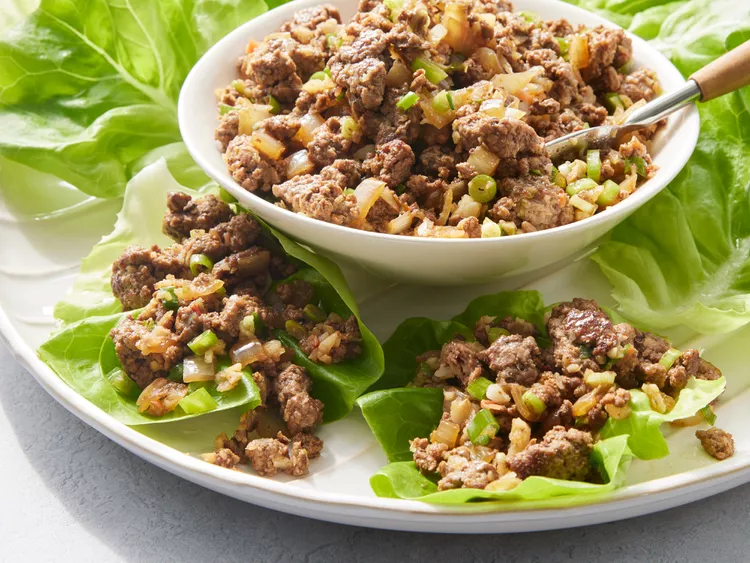
What if you could enjoy a meal that’s bursting with bold flavors, packed with fresh ingredients, and ready in under 30 minutes? That’s exactly what Asian Lettuce Wraps deliver. These crisp, hand-held wraps combine savory meat or plant-based fillings with crunchy vegetables, fragrant herbs, and flavorful sauces—all wrapped in cool, refreshing lettuce leaves instead of bread or tortillas.
Asian Lettuce Wraps have become a favorite in restaurants and home kitchens alike because they’re light yet satisfying. Every bite offers the perfect contrast of textures: tender filling, crisp lettuce, crunchy vegetables, and a savory sauce with hints of garlic, ginger, sesame, and soy.
Whether you’re preparing a healthy weeknight dinner, planning a family gathering, or searching for a low-carb meal that doesn’t sacrifice flavor, Asian Lettuce Wraps are an excellent choice. They’re quick to prepare, endlessly customizable, and fun for everyone to assemble at the table.
In this guide, you’ll discover everything you need to know about Asian Lettuce Wraps, including their origins, essential ingredients, cooking tips, popular variations, nutritional benefits, and expert techniques for making restaurant-quality wraps at home.
What Are Asian Lettuce Wraps?
Asian Lettuce Wraps are a popular dish consisting of seasoned meat, seafood, tofu, or vegetables served inside crisp lettuce leaves. Instead of using bread or flatbreads, fresh lettuce acts as a natural wrapper, creating a meal that’s light, refreshing, and full of flavor.
The filling is typically stir-fried with aromatic ingredients such as garlic, ginger, onions, soy sauce, sesame oil, and various seasonings. Once cooked, it’s spooned into lettuce cups and topped with fresh herbs, chopped peanuts, green onions, or crunchy vegetables.
Because the lettuce stays fresh and crisp, every bite feels balanced and refreshing.
The Origins of Asian Lettuce Wraps
Although many people associate lettuce wraps with modern Asian-inspired restaurants, similar dishes have existed in several Asian cuisines for generations.
Chinese cuisine features minced meat served with lettuce leaves, while Korean cuisine often includes grilled meats wrapped in leafy greens, known as ssam. Vietnamese and Thai cooking also embrace fresh herbs and leafy vegetables as edible wrappers.
Today’s Asian Lettuce Wraps blend these traditional influences into a versatile dish that’s popular around the world.
Why Asian Lettuce Wraps Are So Popular
Several factors have contributed to their growing popularity.
They’re Fresh and Flavorful
Unlike heavy sandwiches or wraps, lettuce wraps highlight fresh vegetables and aromatic herbs. The crisp lettuce provides a refreshing contrast to the warm, savory filling.
They’re Quick to Prepare
Most recipes require only one skillet and can be ready in about 30 minutes, making them perfect for busy weeknights.
They’re Easy to Customize
Almost every ingredient can be adjusted based on personal preference or dietary needs.
Popular filling options include:
- Ground chicken
- Ground turkey
- Ground pork
- Lean beef
- Shrimp
- Tofu
- Mushrooms
- Tempeh
They’re Great for Entertaining
Instead of assembling every wrap in advance, place all the ingredients on the table and let guests build their own. This interactive style makes meals more enjoyable for families and dinner parties alike.
Nutritional Benefits of Asian Lettuce Wraps
One of the biggest reasons people love lettuce wraps is their nutritional balance. Replacing bread or tortillas with lettuce naturally reduces calories and carbohydrates while adding freshness and crunch.
Typical Nutrition (Per Chicken Lettuce Wrap)
| Nutrient | Approximate Amount | Benefits |
|---|---|---|
| Calories | 180–250 kcal | Light yet satisfying meal option |
| Protein | 18–24 g | Helps build muscle and keeps you full |
| Carbohydrates | 8–15 g | Provides energy without excessive starch |
| Fiber | 2–4 g | Supports healthy digestion |
| Fat | 8–12 g | Provides flavor and healthy fats depending on ingredients |
| Vitamin A | Moderate | Supports vision and immune health |
| Vitamin C | Moderate | Helps support immune function |
| Cooking Method | Stir-fried filling, fresh lettuce | Uses minimal oil while maximizing fresh ingredients |
Note: Nutritional values vary depending on the protein, sauce, toppings, and portion size.
Essential Ingredients
Lettuce
The lettuce serves as both the wrapper and a refreshing ingredient.
Best choices include:
- Butter lettuce
- Bibb lettuce
- Iceberg lettuce
- Romaine hearts
Butter lettuce is especially popular because its soft leaves naturally form small cups.
Protein
The filling is the star of the dish.
Popular choices include:
Ground Chicken
Lean, mild, and perfect for absorbing sauces.
Ground Turkey
A healthy alternative with a similar texture.
Ground Pork
Rich, juicy, and traditional in many recipes.
Lean Ground Beef
Adds bold flavor while remaining easy to prepare.
Shrimp
Offers a lighter seafood variation.
Tofu
Excellent for vegetarian or vegan meals.
Aromatics
Fresh aromatics create the signature flavor.
Common ingredients include:
- Garlic
- Ginger
- Onion
- Green onions
Cooking these ingredients first develops a rich, savory base.
Vegetables
Adding vegetables improves both texture and nutrition.
Excellent choices include:
- Water chestnuts
- Mushrooms
- Carrots
- Bell peppers
- Cabbage
- Edamame
Water chestnuts are especially popular because they stay crunchy even after cooking.
Sauces and Seasonings
The sauce ties everything together.
Typical ingredients include:
- Soy sauce
- Hoisin sauce
- Oyster sauce
- Sesame oil
- Rice vinegar
- Chili garlic sauce
- Brown sugar or honey
These ingredients create the perfect balance of salty, sweet, tangy, and savory flavors.
How to Make Asian Lettuce Wraps
Step 1: Prepare the Ingredients
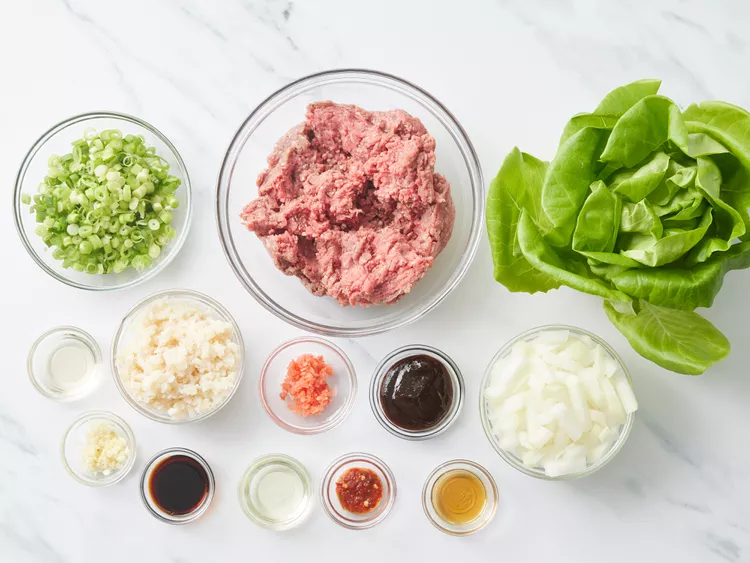
Dice vegetables into small pieces.
Mince garlic and ginger.
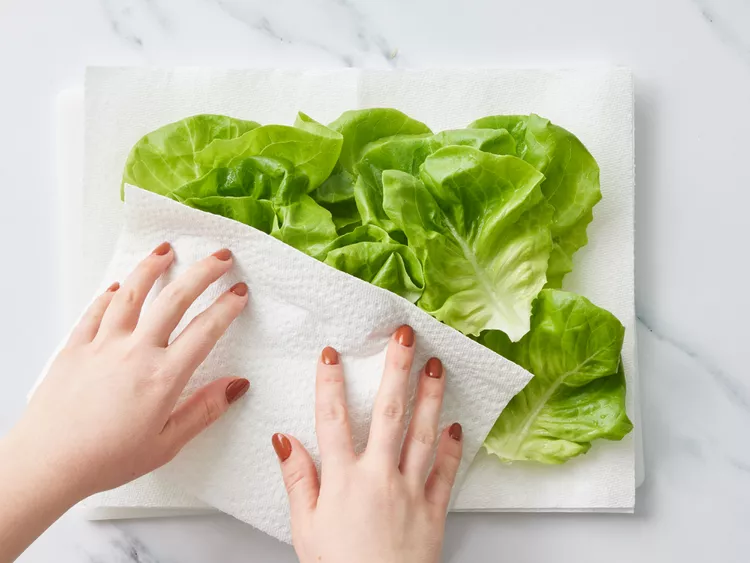
Wash and separate lettuce leaves carefully.
Having everything ready makes cooking much easier.
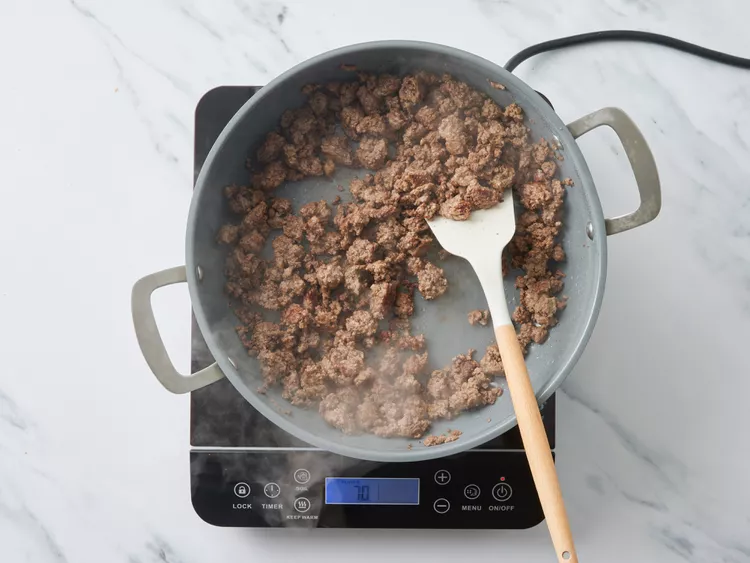
Step 2: Cook the Protein
Heat a skillet over medium-high heat.
Cook the ground meat until browned.
Drain excess fat if necessary.
Step 3: Add Aromatics
Stir in garlic, ginger, and onions.
Cook for about one minute until fragrant.
Step 4: Add Vegetables
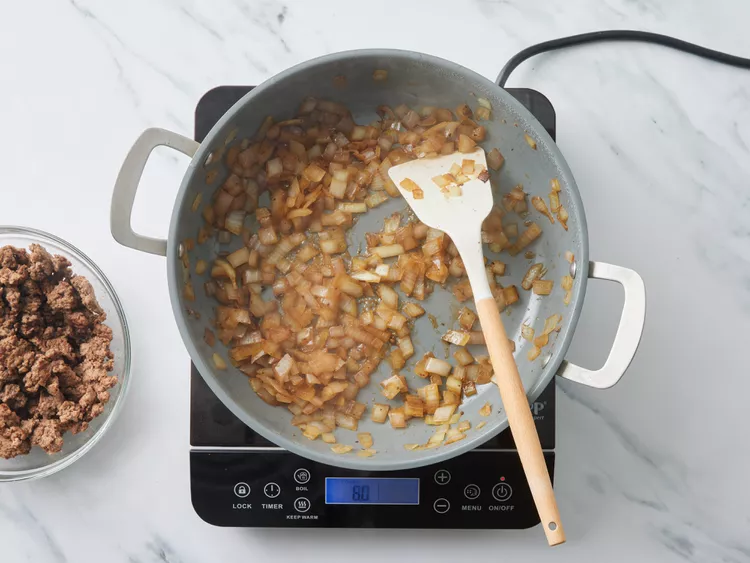
Mix in chopped mushrooms, carrots, peppers, or water chestnuts.
Cook until slightly tender while maintaining some crunch.
Step 5: Stir in the Sauce
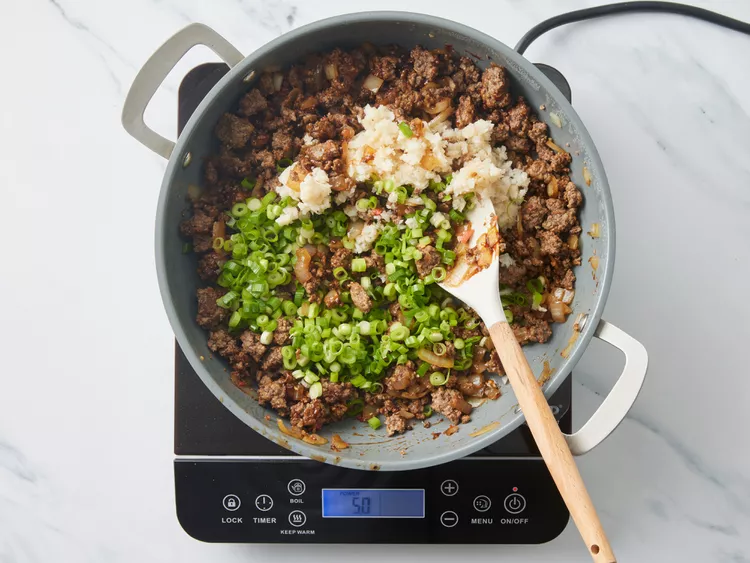
Pour the prepared sauce over the filling.
Cook for another 2–3 minutes until everything is evenly coated.
Step 6: Assemble the Wraps
Spoon the filling into lettuce leaves.
Top with:
- Green onions
- Sesame seeds
- Chopped peanuts
- Fresh cilantro
- Lime wedges
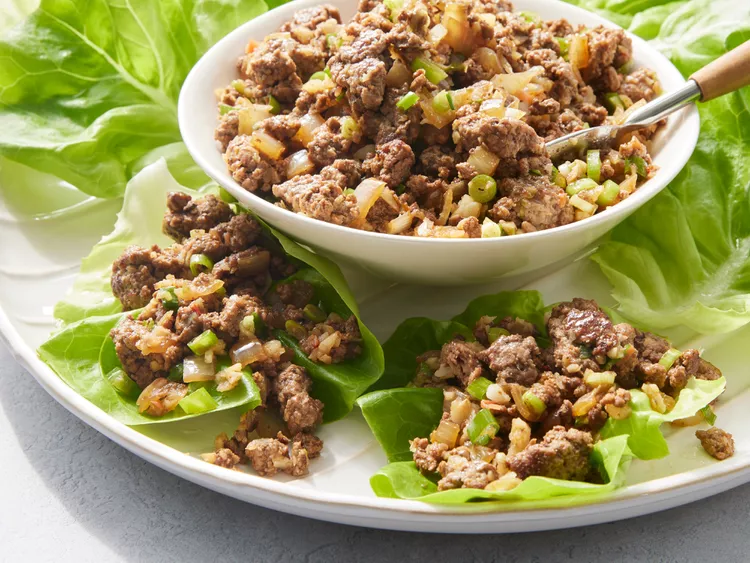
Serve immediately while the filling is warm and the lettuce remains crisp.
Delicious Variations
Chicken Lettuce Wraps
The most popular version.
Ground chicken pairs beautifully with soy sauce, garlic, and water chestnuts.
Spicy Korean-Inspired Wraps
Add:
- Gochujang
- Kimchi
- Sesame seeds
- Green onions
This creates bold, spicy flavors.
Thai-Inspired Lettuce Wraps
Include:
- Lime juice
- Fish sauce
- Fresh basil
- Cilantro
- Peanuts
The result is bright, aromatic, and slightly tangy.
Vegetarian Lettuce Wraps
Replace meat with:
- Tofu
- Mushrooms
- Lentils
- Crumbled tempeh
These ingredients absorb sauces well while providing satisfying texture.
Seafood Lettuce Wraps
Shrimp or finely chopped salmon creates a lighter version that’s perfect for summer meals.
Tips for the Best Asian Lettuce Wraps
Choose Fresh Lettuce
Look for firm, crisp leaves without tears or brown spots.
Fresh lettuce improves both appearance and texture.
Don’t Overcook the Vegetables
Slightly crunchy vegetables create better contrast with the tender meat.
Balance the Sauce
Taste before serving.
If it’s:
- Too salty—add a splash of water or lime juice.
- Too sweet—add soy sauce.
- Too spicy—mix in a little honey.
Small adjustments make a big difference.
Serve Immediately
Warm filling and cold lettuce create the perfect contrast.
Waiting too long may soften the lettuce.
Prepare Ingredients Ahead
Chop vegetables and mix the sauce earlier in the day.
When it’s time to cook, dinner can be ready in minutes.
Common Mistakes to Avoid
Using Small Lettuce Leaves
Tiny leaves are difficult to fill and fold.
Choose large, sturdy leaves whenever possible.
Adding Too Much Filling
Overstuffed wraps become messy.
Use just enough filling to fold comfortably.
Skipping Crunchy Ingredients
Water chestnuts, carrots, or chopped peanuts provide texture that makes each bite more satisfying.
Overcooking the Sauce
Cooking too long may cause the sauce to become thick or overly salty.
Remove the skillet once everything is evenly coated.
Serving Suggestions
Asian Lettuce Wraps pair well with a variety of side dishes.
Popular choices include:
- Steamed jasmine rice
- Brown rice
- Cauliflower rice
- Asian cucumber salad
- Stir-fried vegetables
- Miso soup
- Vegetable spring rolls
For gatherings, arrange toppings in small bowls so guests can customize their wraps.
Are Asian Lettuce Wraps Good for Meal Prep?
Absolutely.
Store the filling separately from the lettuce to maintain freshness.
For the best results:
- Refrigerate cooked filling in an airtight container for up to four days.
- Wash and dry lettuce leaves thoroughly before storing.
- Reheat only the filling.
- Assemble wraps just before serving.
This method keeps the lettuce crisp and prevents sogginess.
Why You’ll Love Making Asian Lettuce Wraps at Home
Restaurant versions are delicious, but making them at home gives you complete control over ingredients, portion sizes, and seasonings. You can reduce sodium, adjust the spice level, choose lean proteins, or create vegetarian versions without sacrificing flavor.
They’re affordable, family-friendly, and adaptable to almost any dietary preference. Best of all, they come together quickly, making them an ideal solution for busy weeknights when you want something fresh and satisfying.
Asian Lettuce Wraps are proof that healthy meals can be just as exciting as comfort food. Their combination of crisp lettuce, savory fillings, colorful vegetables, and bold Asian-inspired sauces creates a meal that’s both nourishing and incredibly flavorful.
Whether you prefer classic chicken, spicy Korean-inspired beef, fresh shrimp, or a hearty vegetarian version, these wraps are easy to customize and simple enough for cooks of any skill level. They’re perfect for quick family dinners, meal prep, casual entertaining, or anyone looking to enjoy more fresh ingredients without compromising on taste.
Once you’ve mastered the basic recipe, you’ll discover endless ways to personalize your wraps with different proteins, vegetables, herbs, and sauces. It’s a versatile dish you’ll find yourself making again and again.
Frequently Asked Questions
1. What type of lettuce works best for Asian Lettuce Wraps?
Butter lettuce and Bibb lettuce are the most popular because their soft, cup-shaped leaves hold fillings well. Iceberg lettuce is another excellent option if you prefer extra crunch.
2. Can I make Asian Lettuce Wraps vegetarian?
Yes. Replace the meat with tofu, tempeh, mushrooms, lentils, or a combination of vegetables for a delicious vegetarian or vegan version.
3. How do I keep lettuce wraps from getting soggy?
Store the cooked filling and lettuce separately. Assemble the wraps just before eating so the lettuce stays crisp and fresh.
4. Can I freeze the filling?
Yes. The cooked filling freezes well for up to three months in an airtight container. Thaw it overnight in the refrigerator and reheat before serving with fresh lettuce.
5. Are Asian Lettuce Wraps low in carbohydrates?
Generally, yes. Using lettuce instead of bread or tortillas significantly reduces carbohydrates, making them a popular choice for low-carb eating plans. The total carb content will depend on the sauce and other ingredients you use.