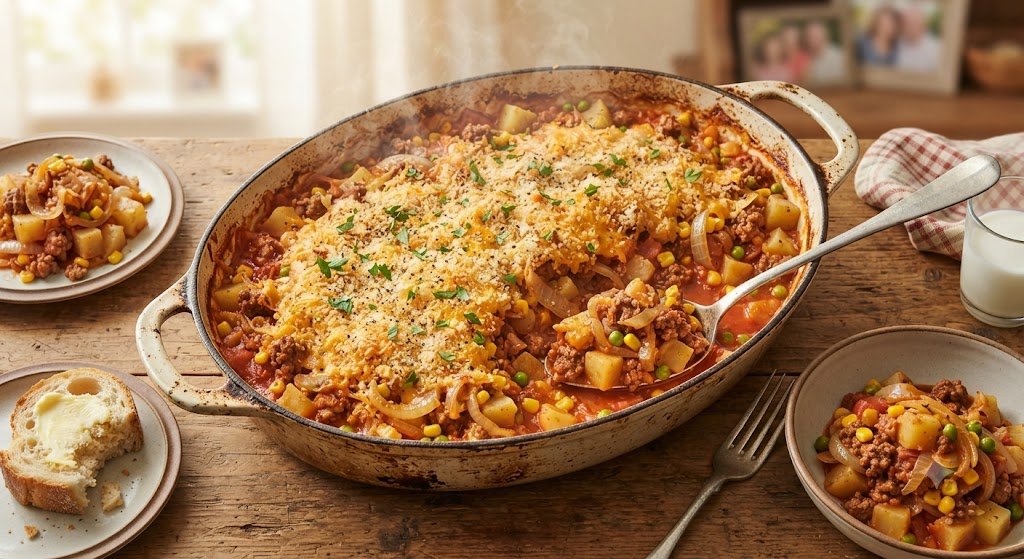
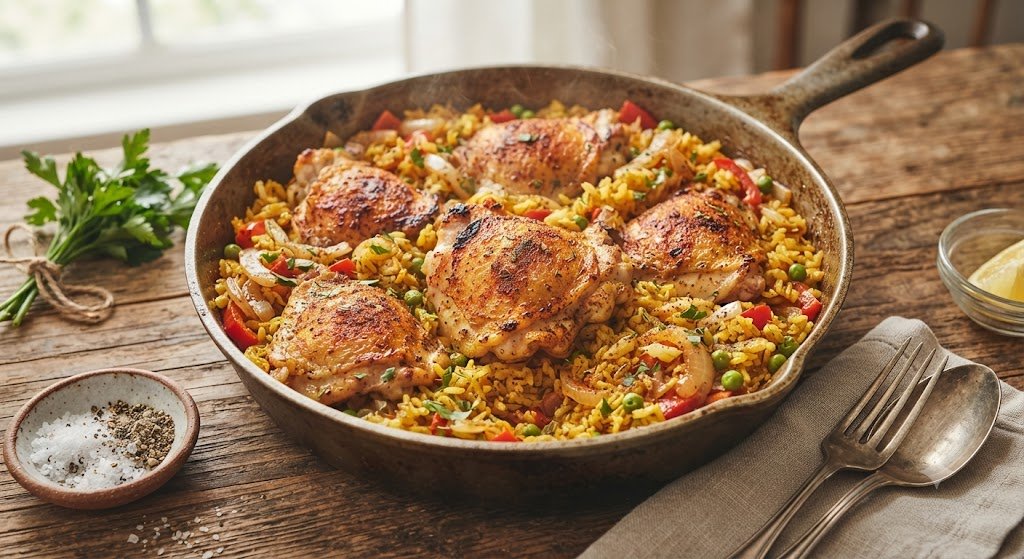
When the weather gets cooler or you simply want a comforting homemade meal, stewy slow-cooked things are the perfect choice. Slow cooking has been loved for generations because it transforms simple ingredients into rich, flavorful, and satisfying dishes. From tender meats and hearty vegetables to creamy sauces and warming spices, slow-cooked meals create incredible depth of flavor with minimal effort.
The beauty of slow cooking is that it allows ingredients to gently simmer over time, breaking down tough textures and blending flavors together naturally. Whether you are preparing a family dinner, meal prepping for the week, or looking for an easy recipe that fills your home with amazing aromas, slow-cooked stewy dishes are always a great option.
In this complete guide, we will explore what makes stewy slow-cooked meals special, their benefits, popular ingredients, cooking techniques, recipe ideas, and helpful tips to create delicious comfort food at home.
What Are Stewy Slow-Cooked Things?
Stewy slow-cooked dishes are meals prepared by cooking ingredients slowly at a low temperature for an extended period. These dishes usually include a combination of protein, vegetables, broth, herbs, and spices that cook together until everything becomes tender and flavorful.
Unlike quick-cooking meals, slow-cooked stews allow flavors to develop gradually. Tough cuts of meat become soft and juicy, vegetables absorb the richness of the sauce, and spices create a balanced taste throughout the dish.
Popular examples of slow-cooked stewy meals include:
- Beef stew
- Chicken and vegetable stew
- Lamb curry
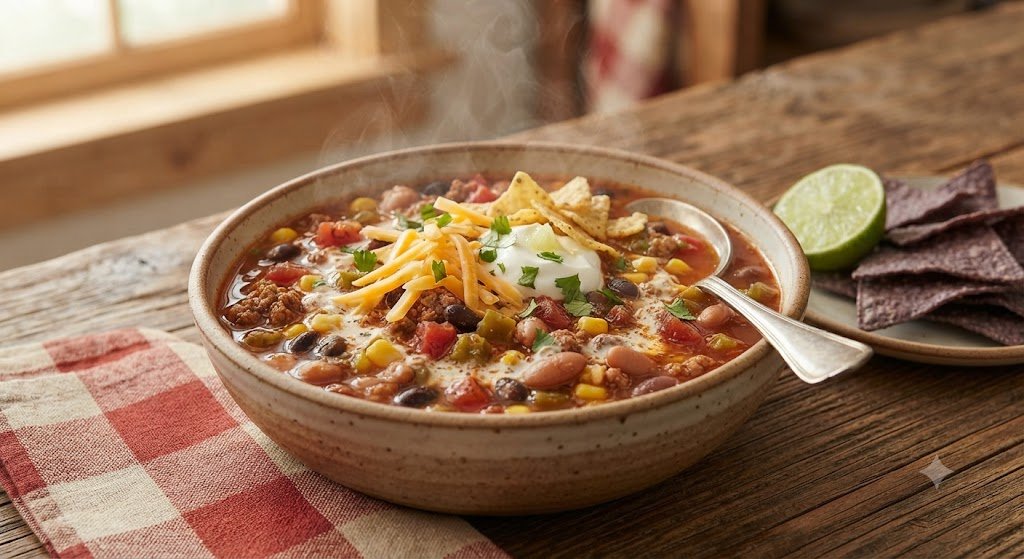
- Slow-cooked chili
- Vegetable bean stew
- Seafood chowder
- Creamy mushroom stew
- Pulled meat dishes
These meals are loved worldwide because they are affordable, comforting, and easy to customize.
Why You’ll Love Slow-Cooked Stewy Meals
There are many reasons why people enjoy making stewy slow-cooked dishes at home. These recipes combine convenience with incredible flavor, making them ideal for busy lifestyles.
Here are some benefits:
- Easy preparation with minimal cooking effort
- Rich and deep flavors
- Perfect for meal preparation
- Budget-friendly ingredients
- Great for feeding families
- Can be customized easily
- Creates tender and delicious textures
- Makes excellent leftovers
One of the biggest advantages of slow cooking is that you can prepare the ingredients in advance, start the cooking process, and allow the meal to develop while you focus on other activities.
Essential Ingredients for Delicious Slow-Cooked Stews

The best stewy slow-cooked meals usually start with simple ingredients that work together to create a flavorful dish.
Protein Options
Common protein choices include:
- Beef chuck
- Chicken thighs
- Lamb shoulder
- Pork shoulder
- Turkey
- Beans and lentils for vegetarian options
Slow cooking works especially well with tougher cuts because the long cooking time helps soften the meat.
Vegetables
Vegetables add texture, nutrients, and flavor.
Popular choices include:
- Potatoes
- Carrots
- Onions
- Celery
- Mushrooms
- Tomatoes
- Peas
- Sweet potatoes
Flavor Enhancers
Herbs and spices make slow-cooked dishes more exciting.
Common additions include:
- Garlic
- Ginger
- Rosemary
- Thyme
- Bay leaves
- Paprika
- Black pepper
- Chili flakes
- Cumin
Liquid Base
A flavorful liquid helps create the signature stew texture.
Options include:
- Beef or chicken broth
- Vegetable stock
- Tomato sauce
- Coconut milk
- Wine
- Cream-based sauces
How to Make Perfect Slow-Cooked Stewy Meals
Creating a delicious slow-cooked stew does not require complicated techniques. Following a few important steps can help you achieve amazing results.
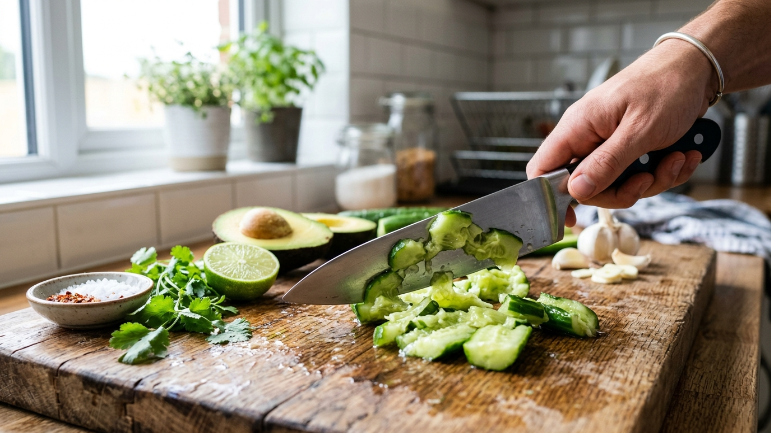
Start by preparing all ingredients before cooking. Chop vegetables into similar sizes so they cook evenly.
For meat-based stews, browning the meat first can add extra flavor. Searing creates a delicious outer layer that enhances the final dish.
Next, add vegetables, seasonings, and your chosen liquid. Make sure ingredients are arranged evenly so everything cooks properly.
Cook the meal slowly over low heat. Depending on the recipe, cooking times can range from four to eight hours in a slow cooker or several hours on the stovetop.
Avoid opening the lid too often because heat escapes and can increase cooking time.
Once finished, allow the stew to rest for a few minutes before serving. This helps the flavors settle and creates a richer taste.
Popular Stewy Slow-Cooked Meal Ideas

There are countless ways to enjoy slow-cooked stewy dishes.
Classic Beef Stew
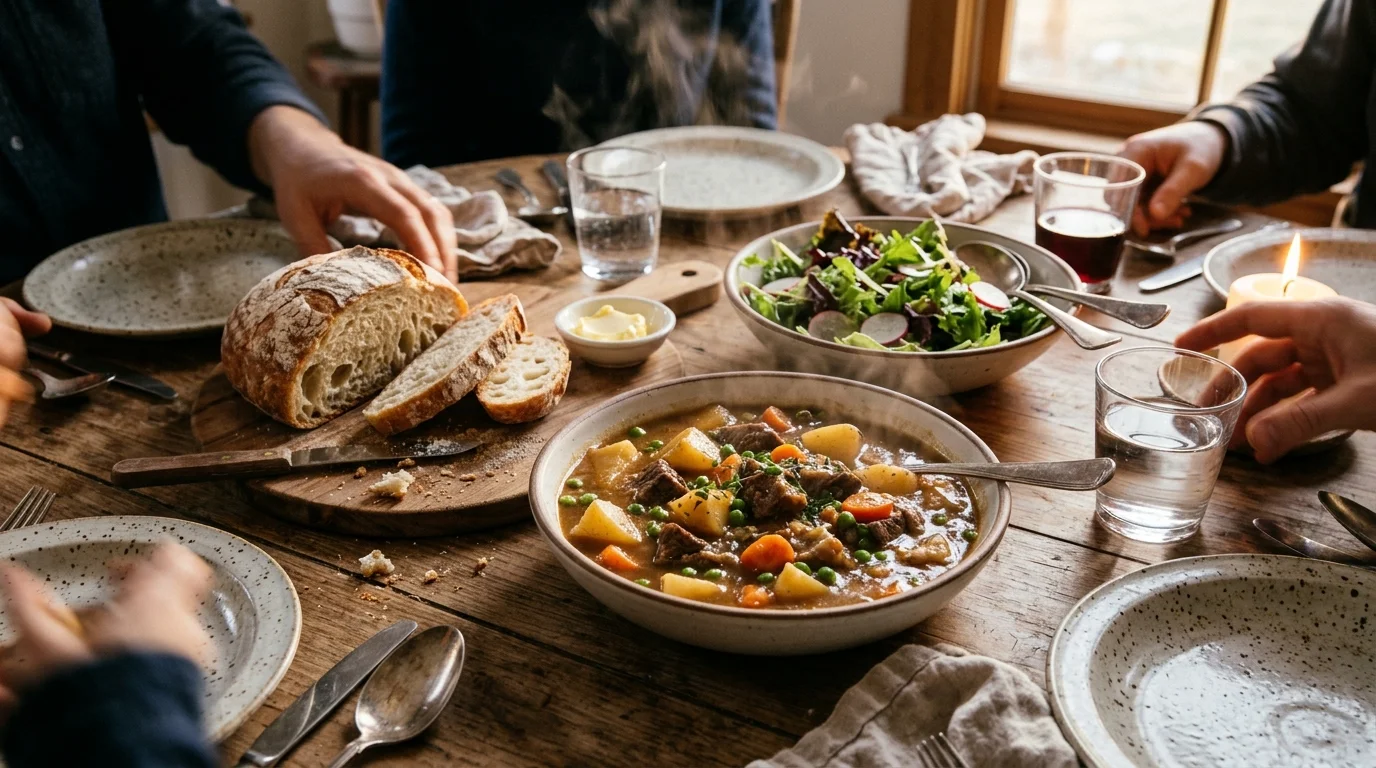
A traditional beef stew combines tender beef chunks with carrots, potatoes, onions, and a rich savory broth. Slow cooking creates melt-in-your-mouth meat and a comforting homemade flavor.
Slow-Cooked Chicken Stew
Chicken stew is lighter but equally satisfying. Chicken thighs, vegetables, herbs, and creamy or tomato-based sauces create a delicious family meal.
Vegetarian Bean Stew
A plant-based stew made with beans, tomatoes, vegetables, and spices is packed with protein and fiber while offering incredible flavor.
Slow-Cooked Lamb Stew
Lamb becomes exceptionally tender when cooked slowly with aromatic spices, vegetables, and a flavorful broth.
Slow-Cooked Chili
Chili combines beans, meat, tomatoes, and spices into a hearty dish perfect for cold evenings and gatherings.
Health Benefits of Slow-Cooked Stewy Meals
Slow-cooked stews can be nutritious when prepared with balanced ingredients.
Vegetables provide essential vitamins, minerals, and fiber that support overall health. Adding lean proteins helps provide amino acids needed for muscle maintenance and energy.
Slow cooking allows ingredients to maintain their natural flavors while reducing the need for excessive oils or processed ingredients.
Homemade stews also give you complete control over salt levels, ingredients, and portion sizes, making them a healthier alternative to many packaged meals.
Adding legumes such as beans and lentils can increase fiber and plant-based protein content.
Expert Tips for Better Slow-Cooked Dishes
To create restaurant-quality stewy meals at home, keep these tips in mind:
Choose ingredients that handle long cooking times well. Tough meats often become the most flavorful after slow cooking.
Layer flavors by seasoning throughout the cooking process instead of adding everything at the end.
Do not add delicate vegetables too early because they may become too soft. Add items like peas or fresh herbs near the end when possible.
Use fresh herbs for better aroma and flavor.
Avoid adding too much liquid because slow cookers create steam and naturally increase moisture.
For thicker stews, remove the lid during the final cooking stage or add a thickening ingredient such as flour, cornstarch, or mashed vegetables.
Storage and Serving Suggestions
Slow-cooked stewy meals are excellent for leftovers because the flavors often become even better the next day.
Store leftover stew in an airtight container and refrigerate for up to four days.
Many stews can also be frozen for up to three months. Allow the meal to cool completely before freezing.
Reheat gently on the stovetop or microwave until heated thoroughly.
Stewy dishes pair beautifully with:
- Crusty bread
- Rice
- Mashed potatoes
- Pasta
- Fresh salad
- Roasted vegetables
These combinations create satisfying meals perfect for lunch or dinner.
Frequently Asked Questions

Can I make slow-cooked stews without a slow cooker? Yes. You can prepare them on the stovetop, in an oven-safe pot, or using an electric pressure cooker.
Why do slow-cooked meals taste better? The long cooking process allows ingredients to release flavors and creates a deeper, richer taste.
Can I prepare stews ahead of time? Absolutely. Many stews taste even better after resting overnight.
Are slow-cooked meals healthy? Yes, especially when made with fresh vegetables, quality proteins, and balanced ingredients.
Stewy slow-cooked things represent the best of comfort food cooking. They turn simple ingredients into warm, flavorful, and satisfying meals that bring people together. Whether you prefer classic beef stew, vegetable-based dishes, or creative international recipes, slow cooking offers endless possibilities.