Greek pasta salad is one of those dishes that never goes out of style. It’s colorful, refreshing, easy to prepare, and packed with Mediterranean flavors that make every bite memorable. Whether you’re planning a summer barbecue, preparing weekday lunches, or looking for a healthy side dish for dinner, a great Greek pasta salad fits almost any occasion.
The beauty of this salad lies in its simplicity. Fresh vegetables, tender pasta, salty feta cheese, briny olives, and a bright homemade dressing come together to create a meal that’s both satisfying and nutritious. Better yet, it tastes even better after the flavors have had time to blend, making it an excellent make-ahead recipe.
In this guide, you’ll learn everything you need to know about making the perfect Greek pasta salad, including ingredient choices, preparation tips, storage advice, delicious variations, and answers to common questions.
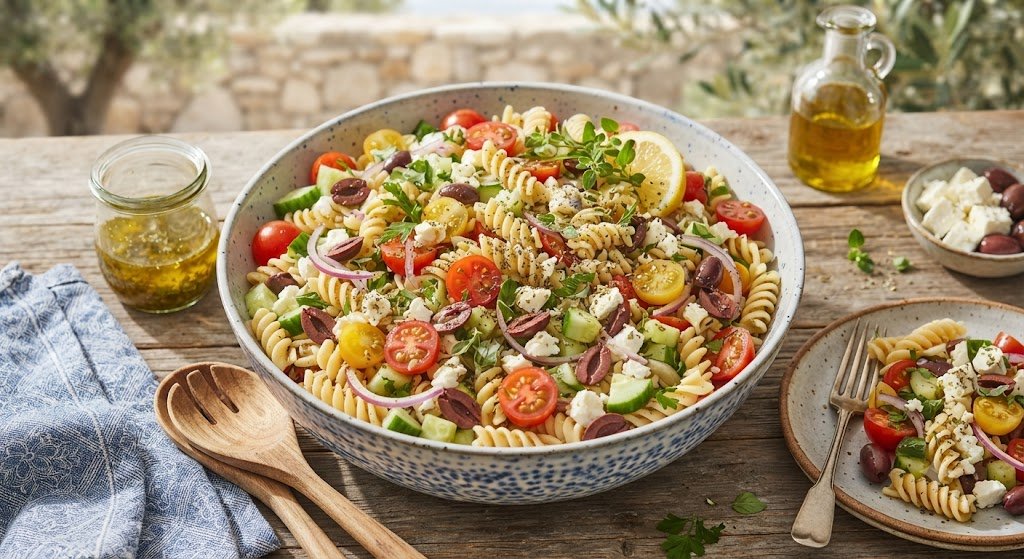
What Is Greek Pasta Salad?
Greek pasta salad combines the classic ingredients of a traditional Greek salad with cooked pasta to create a heartier dish. It keeps the crisp vegetables and tangy dressing while adding pasta that makes the salad more filling.
Traditional ingredients usually include:
- Pasta
- Cucumbers
- Cherry tomatoes
- Red onion
- Kalamata olives
- Feta cheese
- Bell peppers
- Homemade Greek vinaigrette
The result is a refreshing salad with a perfect balance of creamy, crunchy, tangy, and savory flavors.
Why You’ll Love This Greek Pasta Salad
There are plenty of reasons this recipe has become a favorite for home cooks around the world.
Quick to Prepare
Most versions can be prepared in under 30 minutes, making them perfect for busy weeknights.
Perfect for Meal Prep
Because the dressing preserves the vegetables well, this salad stays fresh for several days in the refrigerator.
Great for Gatherings
Greek pasta salad travels well and doesn’t require reheating, making it ideal for picnics, potlucks, and family celebrations.
Healthy and Colorful
Fresh vegetables provide vitamins, minerals, and fiber, while olive oil supplies heart-healthy fats.
Easy to Customize
You can add grilled chicken, shrimp, chickpeas, or extra vegetables depending on your preferences.
Ingredients You’ll Need
Using fresh, quality ingredients makes a noticeable difference.
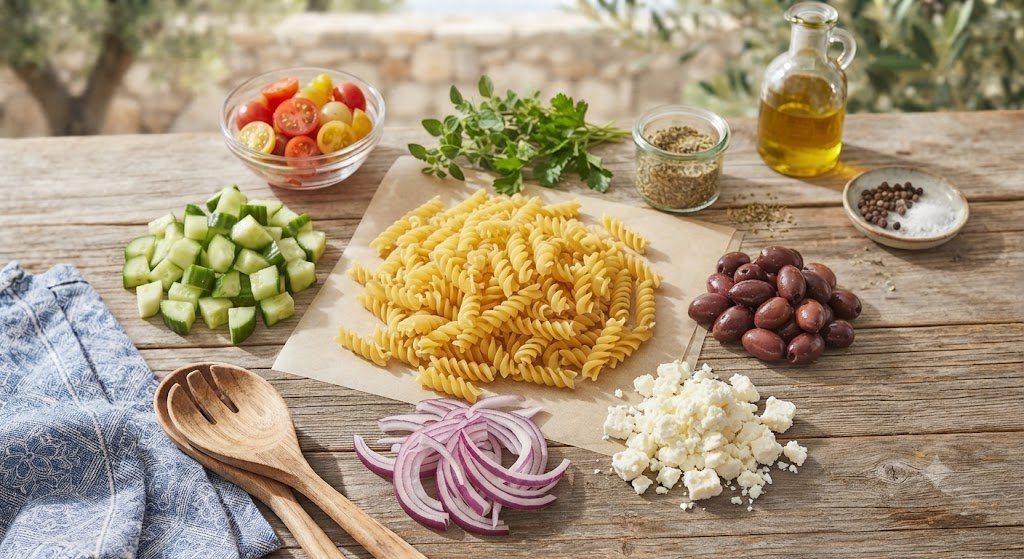
Pasta
Short pasta shapes work best because they hold the dressing well.
Popular options include:
- Rotini
- Penne
- Fusilli
- Farfalle
- Cavatappi
Cook the pasta until just al dente so it remains firm after mixing.
Cucumbers
English cucumbers are an excellent choice because they contain fewer seeds and have thin skins.
Dice them into bite-sized pieces for even distribution.
Cherry Tomatoes
Cherry or grape tomatoes provide sweetness and bright color.
Cut them in half so they absorb more dressing.
Bell Pepper
Red, yellow, or orange bell peppers add crunch and natural sweetness.
Green peppers can also be used for a slightly more bitter flavor.
Red Onion
Thin slices of red onion add sharpness without overpowering the salad.
If you prefer a milder taste, soak the onion slices in cold water for 10 minutes before using.
Kalamata Olives
These olives are a signature ingredient in Greek cuisine.
Their rich, salty flavor balances the fresh vegetables beautifully.
Feta Cheese
Authentic feta adds creamy texture and tanginess.
Instead of buying pre-crumbled cheese, crumble a block of feta yourself for better flavor and texture.
Fresh Herbs
Fresh parsley and oregano brighten the salad and enhance its Mediterranean flavor.
Fresh dill is another excellent addition.
Homemade Greek Dressing
The dressing ties everything together.
Ingredients
- Extra virgin olive oil
- Red wine vinegar
- Fresh lemon juice
- Garlic
- Dijon mustard
- Dried oregano
- Salt
- Black pepper
Whisk everything together until smooth.
The dressing should taste bright, slightly tangy, and well-balanced.
Step-by-Step Instructions
Step 1: Cook the Pasta
Bring a large pot of salted water to a boil.
Cook the pasta according to package directions until al dente.
Drain and rinse under cold water to stop the cooking process.
Allow the pasta to cool completely.
Step 2: Prepare the Vegetables
While the pasta cools:
- Chop cucumbers
- Slice tomatoes
- Dice bell peppers
- Thinly slice red onions
- Pit olives if necessary
Keep the vegetables roughly the same size for the best texture.
Step 3: Make the Dressing
Combine:
- Olive oil
- Vinegar
- Lemon juice
- Garlic
- Dijon mustard
- Oregano
- Salt
- Pepper
Whisk until fully combined.
Taste and adjust seasoning if needed.
Step 4: Assemble the Salad
In a large bowl combine:
- Cooked pasta
- Cucumbers
- Tomatoes
- Bell peppers
- Onion
- Kalamata olives
Pour the dressing over everything.
Toss gently until evenly coated.
Step 5: Add the Feta
Sprinkle crumbled feta on top.
Mix gently to avoid breaking the cheese into tiny pieces.
Step 6: Chill Before Serving
Refrigerate for at least 30 minutes.
This resting time allows the dressing to soak into the pasta and vegetables.
Tips for the Best Greek Pasta Salad
Small details can make a big difference.
Salt the Pasta Water
Properly seasoned pasta tastes better throughout the salad.
Cool the Pasta Completely
Warm pasta absorbs too much dressing and can soften the vegetables.
Use Fresh Lemon Juice
Fresh citrus provides brighter flavor than bottled juice.
Don’t Overdress
Start with about three-quarters of the dressing.
Add more later if needed.
Toss Again Before Serving
Pasta absorbs dressing while chilling.
A quick toss refreshes the salad before serving.
Delicious Variations
One reason Greek pasta salad is so popular is its versatility.
Grilled Chicken Greek Pasta Salad
Add sliced grilled chicken for extra protein and a complete meal.
Shrimp Greek Pasta Salad
Cooked shrimp pairs wonderfully with the lemony dressing.
Chickpea Greek Pasta Salad
Chickpeas provide plant-based protein and extra fiber.
Mediterranean Pasta Salad
Add artichoke hearts, roasted red peppers, and spinach.
Whole Wheat Version
Use whole wheat pasta for additional fiber and a slightly nutty flavor.
Gluten-Free Version
Choose your favorite gluten-free pasta while following the same preparation steps.
Common Mistakes to Avoid
Even simple recipes can go wrong if you’re not careful.
Overcooking the Pasta
Soft pasta becomes mushy after mixing.
Cook until just al dente.
Using Too Much Dressing Initially
Pasta continues absorbing dressing during refrigeration.
Adding all the dressing at once may leave the salad oily later.
Skipping the Chill Time
Allowing the salad to rest improves both flavor and texture.
Cutting Vegetables Too Large
Large chunks make the salad harder to eat.
Aim for uniform, bite-sized pieces.
Adding Feta Too Early
Mix it gently at the end to preserve its texture.
Serving Suggestions
Greek pasta salad complements many meals.
Serve it alongside:
- Grilled chicken
- Steak
- Burgers
- Fish
- Lamb
- Barbecue ribs
It also works as:
- A picnic dish
- Potluck contribution
- Light lunch
- Meal-prep lunch
- Vegetarian main course
Warm pita bread and hummus make excellent additions for a Mediterranean-inspired meal.
Make-Ahead Tips
Greek pasta salad is one of the easiest dishes to prepare in advance.
For best results:
- Cook pasta one day early.
- Chop vegetables ahead of time.
- Prepare dressing separately.
- Combine everything several hours before serving.
- Add feta immediately before serving.
This keeps every ingredient fresh and flavorful.
Storage Instructions
Store leftovers in an airtight container.
The salad stays fresh in the refrigerator for up to four days.
Before serving leftovers:
- Stir gently.
- Taste for seasoning.
- Add a splash of olive oil or lemon juice if needed.
Freezing is not recommended because the vegetables lose their crisp texture after thawing.
Nutritional Benefits
Greek pasta salad offers more than great flavor.
Fresh vegetables provide antioxidants, vitamins A and C, and dietary fiber.
Olive oil contains monounsaturated fats that are associated with heart health when included as part of a balanced diet.
Feta cheese contributes calcium and protein while adding rich flavor, meaning you don’t need a large amount.
If you choose whole wheat pasta, you’ll also increase the fiber content, helping you stay full longer.
How to Make It a Complete Meal
Although Greek pasta salad works beautifully as a side dish, it can easily become a satisfying main course.
Add one or more of these protein-rich ingredients:
- Grilled chicken breast
- Rotisserie chicken
- Salmon
- Tuna
- Shrimp
- Chickpeas
- White beans
You can also include avocado for creaminess or toasted pine nuts for extra crunch.
Why Homemade Is Better
While store-bought pasta salads are convenient, homemade versions offer several advantages.
You control the quality of every ingredient.
Fresh vegetables stay crisp.
The dressing contains no unnecessary preservatives.
You can adjust the amount of salt, cheese, herbs, and vegetables to suit your taste.
Most importantly, homemade Greek pasta salad tastes fresher and more vibrant than pre-packaged alternatives.
Perfect Occasions for Greek Pasta Salad
This versatile recipe fits nearly every event.
It’s ideal for:
- Summer cookouts
- Backyard barbecues
- Family dinners
- Birthday parties
- Holiday buffets
- School lunches
- Office lunches
- Picnics
- Potlucks
- Meal prep
Because it’s served cold, there’s no need to worry about reheating before serving.
A great Greek pasta salad is much more than a simple side dish. It’s a vibrant combination of fresh vegetables, tender pasta, creamy feta, and bold Mediterranean flavors that come together in every bite. Easy to prepare, simple to customize, and perfect for making ahead, it’s a recipe that belongs in every home cook’s collection.
Whether you’re serving it at a summer picnic, enjoying it as a healthy weekday lunch, or pairing it with grilled meats for dinner, this salad consistently delivers freshness, flavor, and satisfaction. By using quality ingredients, preparing a homemade dressing, and following a few simple tips, you can create a Greek pasta salad that friends and family will request again and again.
Frequently Asked Questions
1. What is the best pasta for Greek pasta salad?
Rotini, fusilli, penne, cavatappi, and farfalle are all excellent choices because their shapes hold the dressing well and mix easily with the vegetables.
2. Can I make Greek pasta salad ahead of time?
Yes. In fact, it often tastes better after chilling for several hours because the flavors have time to blend. Store it in the refrigerator for up to four days.
3. Can I use bottled Greek dressing?
You can, but homemade dressing usually tastes fresher and allows you to control the ingredients, salt, and acidity.
4. How do I keep the pasta salad from drying out?
Reserve a little extra dressing or add a splash of olive oil and fresh lemon juice before serving to refresh the salad after refrigeration.
5. Is Greek pasta salad healthy?
Yes. It includes vegetables rich in vitamins and fiber, olive oil with heart-healthy fats, and feta cheese for protein and calcium. Pairing it with lean protein or whole wheat pasta can make it an even more balanced meal.