There’s something timeless about a perfectly cooked pot roast. The aroma of slow-cooked beef, savory herbs, and tender vegetables filling your home creates an atmosphere of warmth and comfort that few meals can match. Whether you’re preparing Sunday dinner for the family, hosting guests, or simply craving a hearty homemade meal, a perfect pot roast delivers rich flavor and satisfying texture every time.
The secret to an unforgettable pot roast isn’t expensive ingredients or advanced cooking skills. It’s all about choosing the right cut of beef, seasoning it well, browning it properly, and allowing it to cook low and slow until it’s fork-tender. With patience and a few expert techniques, anyone can create a restaurant-quality pot roast in their own kitchen.
This complete guide will walk you through everything you need to know—from selecting the best cut of meat to mastering the cooking process, avoiding common mistakes, and serving your roast with delicious side dishes.
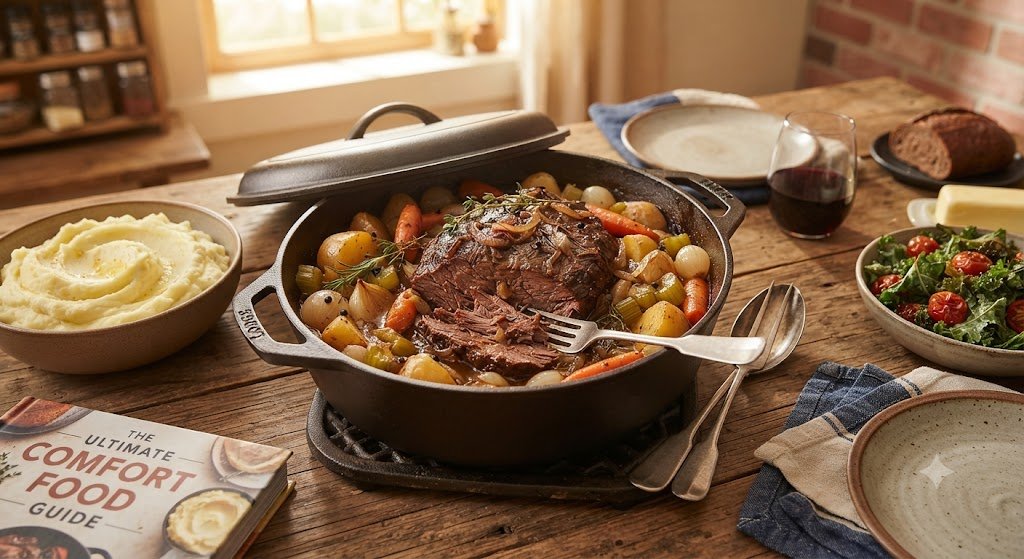
What Is Pot Roast?
Pot roast is a classic comfort food made by slowly braising a large cut of beef in a covered pot with broth, vegetables, herbs, and seasonings. Unlike grilling or roasting at high temperatures, braising uses gentle heat and moisture to transform tougher cuts of beef into incredibly tender, flavorful meals.
As the meat cooks over several hours, connective tissues break down into gelatin, creating juicy beef and a rich, savory cooking liquid that often becomes a delicious gravy.
Traditional pot roast typically includes:
- Beef roast
- Carrots
- Potatoes
- Onions
- Garlic
- Beef broth
- Fresh herbs
- Butter or oil
- Seasonings
The result is a complete meal that’s hearty, comforting, and ideal for sharing.
Why You’ll Love This Perfect Pot Roast
Pot roast has remained a family favorite for generations because it’s simple, satisfying, and incredibly versatile.
Fall-Apart Tender
Slow cooking creates beef so tender it practically melts in your mouth.
Rich, Deep Flavor
Browning the meat before braising develops layers of savory flavor that make every bite memorable.
One-Pot Convenience
Everything cooks together in one pot, making cleanup easier while allowing the ingredients to share their flavors.
Great for Leftovers
Pot roast often tastes even better the next day after the flavors have had more time to develop.
Perfect for Family Gatherings
Large roasts easily feed several people, making this recipe ideal for holidays and weekend dinners.
Choosing the Best Cut of Beef
The cut of meat plays the biggest role in the success of your pot roast.
Chuck Roast
Chuck roast is widely considered the best choice.
It contains enough marbling and connective tissue to become exceptionally tender during slow cooking.
Brisket
Brisket develops incredible flavor but requires longer cooking.
It slices beautifully after resting.
Bottom Round Roast
Leaner than chuck but still suitable for braising.
Cook carefully to prevent dryness.
Rump Roast
A budget-friendly option that becomes tender with slow cooking.
Although several cuts work well, chuck roast consistently produces the most reliable results.
Essential Ingredients
Simple ingredients create remarkable flavor when prepared correctly.
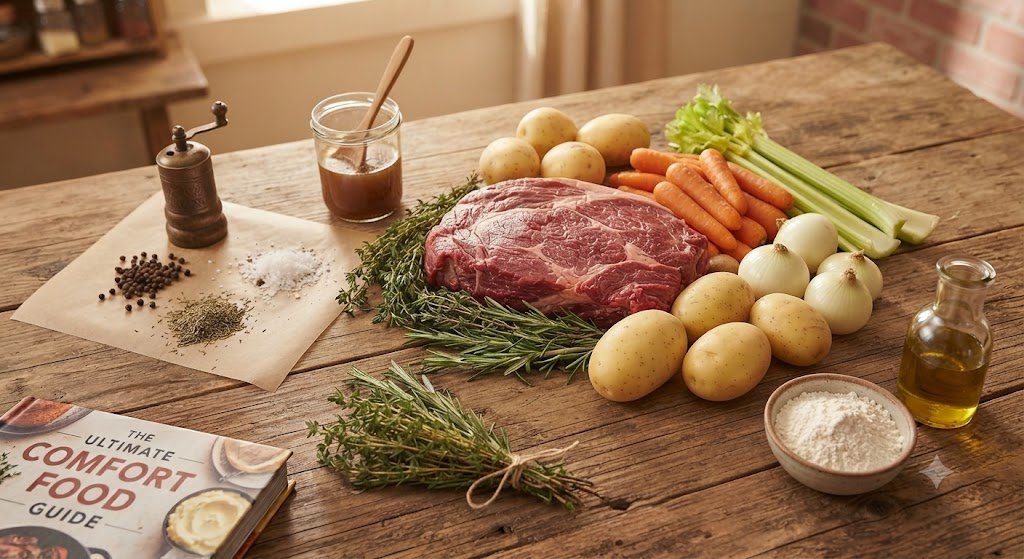
Beef Roast
Choose a roast weighing between three and five pounds for most family meals.
Vegetables
Classic vegetables include:
- Carrots
- Potatoes
- Yellow onions
- Celery
These absorb the flavorful cooking juices while becoming perfectly tender.
Garlic
Fresh garlic adds rich aroma and depth.
Whole cloves become soft and mildly sweet during cooking.
Beef Broth
High-quality beef broth forms the flavorful braising liquid.
Some cooks replace part of the broth with red wine for additional richness.
Tomato Paste
A small amount of tomato paste adds color, depth, and subtle sweetness.
Fresh Herbs
Traditional herbs include:
- Thyme
- Rosemary
- Bay leaves
- Parsley
Fresh herbs provide brighter flavor, though dried herbs work well too.
Olive Oil or Butter
Used for browning the meat before braising.
Why Browning the Meat Matters
Many beginners wonder if they can skip browning the roast.
While technically possible, it’s not recommended.
Searing creates a deeply browned crust through the Maillard reaction, which develops complex savory flavors that simply can’t be achieved by slow cooking alone.
Taking an extra ten minutes to brown the roast is one of the easiest ways to improve the final result.
Step-by-Step Cooking Instructions
Following each step carefully ensures tender, flavorful beef.
Step 1: Prepare the Roast
Remove the beef from the refrigerator about 30 minutes before cooking.
Pat it dry with paper towels.
Season generously with:
- Salt
- Black pepper
- Garlic powder (optional)
Dry meat browns more effectively than wet meat.
Step 2: Brown the Beef
Heat oil in a heavy Dutch oven over medium-high heat.
Brown every side of the roast until a rich golden crust forms.
This usually takes about three to four minutes per side.
Transfer the roast to a plate.
Step 3: Cook the Vegetables
In the same pot, cook:
- Onion
- Celery
- Carrots
Cook until slightly softened.
Add garlic and tomato paste.
Cook for another minute while stirring.
Step 4: Deglaze the Pot
Pour in a little beef broth or red wine.
Scrape the browned bits from the bottom of the pot.
These flavorful pieces add incredible richness to the finished gravy.
Step 5: Return the Roast
Place the browned roast back into the pot.
Add:
- Remaining broth
- Fresh herbs
- Bay leaves
The liquid should reach about halfway up the sides of the meat.
Step 6: Slow Cook
Cover the pot tightly.
Cook in a 300°F (150°C) oven for approximately three to four hours.
Cooking time depends on the size of the roast.
The meat is ready when it easily pulls apart with a fork.
Step 7: Add Potatoes
Add potatoes during the last hour of cooking.
This keeps them tender without becoming overly soft.
Step 8: Rest Before Serving
Allow the roast to rest for 15 to 20 minutes before slicing or shredding.
Resting helps the juices redistribute throughout the meat.
Tips for the Perfect Pot Roast
Small details make a noticeable difference.
Choose Well-Marbled Beef
Fat slowly melts during cooking, keeping the roast moist.
Cook Low and Slow
Higher temperatures can toughen the meat.
Patience produces the best texture.
Don’t Rush the Browning
A properly browned roast develops deeper flavor.
Use Enough Liquid
The roast shouldn’t be completely submerged.
Halfway is ideal for braising.
Taste the Gravy
Adjust salt and pepper before serving.
A splash of Worcestershire sauce can add even more depth.
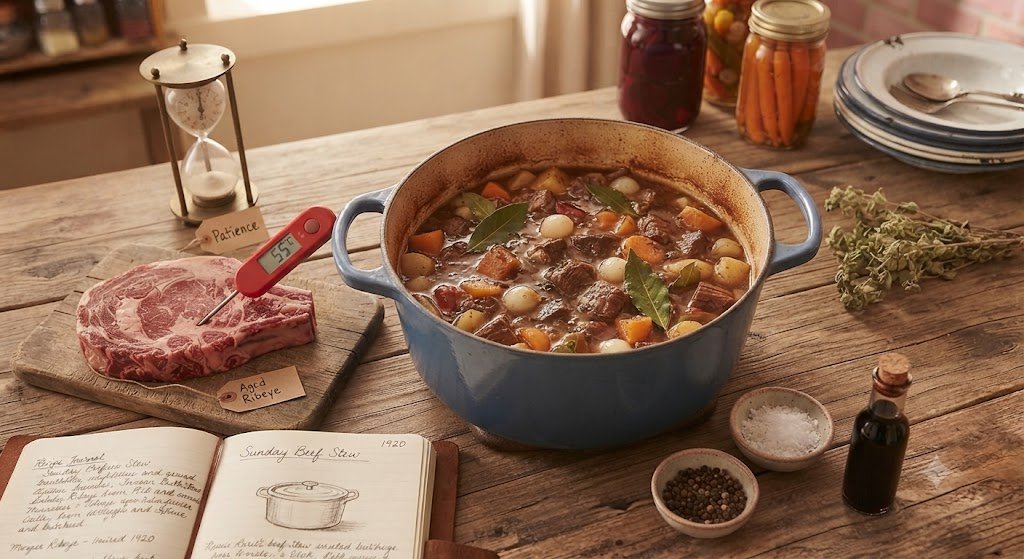
Best Vegetables for Pot Roast
Traditional vegetables work beautifully, but you have plenty of options.
Popular choices include:
- Carrots
- Potatoes
- Parsnips
- Turnips
- Mushrooms
- Sweet potatoes
- Pearl onions
- Celery
Each vegetable absorbs the savory cooking juices while adding its own unique flavor.
Common Mistakes to Avoid
Even experienced cooks can overlook simple details.
Cooking at Too High a Temperature
High heat causes meat fibers to tighten, making the roast tough.
Skipping the Sear
Without browning, the roast lacks depth of flavor.
Not Cooking Long Enough
A roast that feels tough often simply needs more cooking time.
Adding Potatoes Too Early
They may become mushy after several hours.
Using Too Little Seasoning
Large cuts of meat require generous seasoning.
Making Rich Homemade Gravy
The cooking liquid is too flavorful to waste.
After removing the meat and vegetables:
Pour the liquid into a saucepan.
Skim excess fat if desired.
Simmer until slightly reduced.
For a thicker gravy, whisk together equal parts butter and flour to create a roux, then gradually stir in the cooking liquid until smooth.
Taste and season before serving.
Slow Cooker Method
Pot roast adapts beautifully to a slow cooker.
Brown the meat first.
Transfer everything to the slow cooker.
Cook:
- Low: 8 to 10 hours
- High: 5 to 6 hours
Although convenient, browning beforehand still provides better flavor.
Instant Pot Method
For quicker results:
Brown the roast using the sauté setting.
Add vegetables and broth.
Pressure cook for approximately 60 to 80 minutes, depending on size.
Allow natural pressure release for best tenderness.
Delicious Side Dishes
Although pot roast already includes vegetables, additional sides complete the meal.
Excellent choices include:
- Buttered dinner rolls
- Creamy mashed potatoes
- Green beans
- Roasted asparagus
- Garden salad
- Buttered corn
- Yorkshire pudding
- Homemade biscuits
These sides complement the rich beef without overwhelming it.
Storage and Leftovers
Store leftover pot roast in an airtight container.
Refrigerate for up to four days.
Freeze for up to three months.
Always store the meat with some cooking liquid to help maintain moisture.
Reheat gently over low heat or in the microwave with a little broth.
Creative Ways to Use Leftovers
Leftover pot roast can become entirely new meals.
Try using it in:
- Beef sandwiches
- Tacos
- Shepherd’s pie
- Beef stew
- Pasta dishes
- Stuffed baked potatoes
- Beef hash
- Quesadillas
These ideas help reduce food waste while creating delicious second meals.
Nutritional Benefits
Pot roast offers more than comforting flavor.
Beef provides high-quality protein that supports muscle maintenance and repair.
It also contains important nutrients such as:
- Iron
- Zinc
- Vitamin B12
- Selenium
- Niacin
The vegetables contribute fiber, vitamins, and minerals, creating a balanced meal when enjoyed as part of a healthy diet.
Choosing leaner cuts and trimming excess fat can reduce saturated fat while preserving excellent flavor.
Why Homemade Pot Roast Is Worth It
Preparing pot roast from scratch allows you to control every ingredient.
You can:
- Choose premium-quality beef.
- Adjust the seasoning to your taste.
- Add your favorite vegetables.
- Create homemade gravy without unnecessary additives.
- Cook at your own pace.
The result is a meal that’s fresher, more flavorful, and often more economical than restaurant versions.
Perfect Occasions for Pot Roast
Pot roast is suitable for many occasions throughout the year.
It’s especially popular for:
- Sunday family dinners
- Holiday meals
- Cold-weather evenings
- Meal prep
- Dinner parties
- Special celebrations
- Comfort food cravings
Its generous portions and satisfying flavors make it a dependable centerpiece for almost any gathering.
A perfect pot roast is one of the most rewarding meals you can prepare at home. With the right cut of beef, a well-seasoned braising liquid, and plenty of patience, you can transform simple ingredients into a tender, flavorful dish that brings family and friends together around the table.
Whether you cook it in a Dutch oven, slow cooker, or pressure cooker, the key is allowing enough time for the meat to become beautifully tender while the vegetables soak up every bit of the rich cooking juices. Pair it with creamy mashed potatoes, fresh bread, or your favorite vegetables, and you’ll have a comforting meal that’s sure to become a household favorite for years to come.
Frequently Asked Questions
1. What is the best cut of beef for pot roast?
Chuck roast is the most popular choice because its marbling and connective tissue become incredibly tender during slow cooking.
2. Why is my pot roast still tough?
A tough pot roast usually needs more cooking time. Continue cooking it over low heat until it easily pulls apart with a fork.
3. Can I make pot roast ahead of time?
Yes. Many people find that pot roast tastes even better the next day after the flavors have had more time to develop in the refrigerator.
4. Should the roast be fully covered with liquid?
No. The liquid should reach about halfway up the sides of the roast. This allows the meat to braise rather than boil.
5. Can I freeze leftover pot roast?
Absolutely. Store it with some of the cooking liquid in an airtight container and freeze for up to three months. Thaw overnight in the refrigerator before reheating gently.