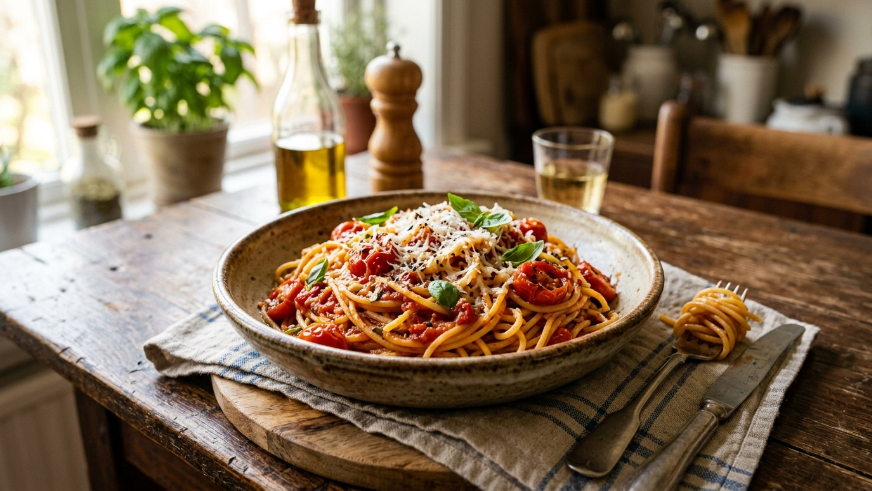
When you need a quick, affordable, and satisfying meal, Pantry Pasta is the perfect solution. This simple yet flavorful dish proves that you don’t need expensive ingredients or complicated cooking techniques to create a delicious homemade dinner. With a few everyday pantry staples like pasta, canned tomatoes, garlic, herbs, olive oil, and spices, you can prepare a comforting meal that tastes fresh, wholesome, and satisfying.
Pantry pasta has become increasingly popular because it offers convenience without sacrificing flavor. It is the kind of recipe that saves busy weeknights, helps reduce food waste, and allows home cooks to get creative with ingredients already available in their kitchens. Whether you’re cooking after a long day, trying to stick to a budget, or looking for an easy vegetarian meal, this pasta recipe is a reliable favorite.
The beauty of pantry pasta is its flexibility. You can make it with simple ingredients or add extra vegetables, beans, cheese, seafood, or leftover proteins to create a completely new version. The combination of tender pasta, aromatic seasonings, and a flavorful sauce creates a meal that feels comforting and homemade.
In this complete guide, you will learn how to make the Best Pantry Pasta Recipe, including ingredients, cooking instructions, helpful tips, healthy benefits, recipe variations, serving suggestions, storage ideas, and answers to common questions.
Why You’ll Love This Pantry Pasta Recipe
There are many reasons why pantry pasta deserves a permanent place in your recipe collection.
Some of the best benefits include:
- Quick and easy preparation
- Made with affordable ingredients
- Perfect for busy weeknights
- Great for reducing food waste
- Easily customizable
- Budget-friendly meal option
- Vegetarian-friendly
- Requires minimal cooking equipment
- Delicious leftovers
- Suitable for beginner cooks
This recipe is proof that simple ingredients can create impressive results.
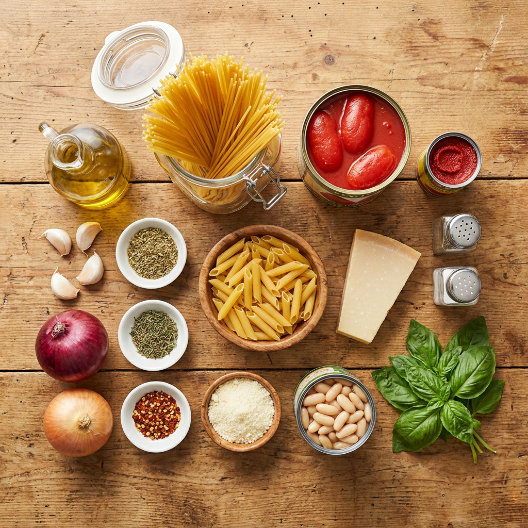
Ingredients You’ll Need
For the Pasta
- 12 ounces spaghetti, penne, or your favorite pasta
- Salt for boiling water
For the Pantry Sauce
- 3 tablespoons olive oil
- 4 garlic cloves, minced
- 1 small onion, chopped
- 1 can crushed tomatoes
- 1 can diced tomatoes
- 2 tablespoons tomato paste
- 1 teaspoon dried oregano
- 1 teaspoon dried basil
- ½ teaspoon red pepper flakes
- Salt and black pepper
- 1 teaspoon Italian seasoning
Optional Pantry Additions
- Canned chickpeas
- White beans
- Black olives
- Sun-dried tomatoes
- Frozen vegetables
- Canned mushrooms
- Tuna
- Anchovies
- Parmesan cheese
- Fresh or dried herbs
Garnishes
- Fresh basil
- Parsley
- Grated Parmesan
- Extra virgin olive oil
- Lemon zest
The best part about pantry pasta is that you can adjust the ingredients based on what you already have available.
How to Make Pantry Pasta
Start by bringing a large pot of salted water to a boil.
Cook the pasta according to package instructions until it reaches an al dente texture. Before draining, reserve about one cup of pasta water because it can help create a smoother sauce.
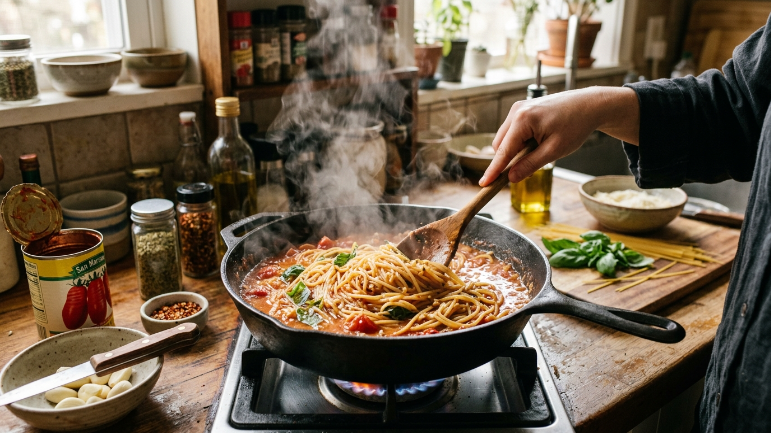
While the pasta cooks, heat olive oil in a large skillet over medium heat.
Add the chopped onion and cook until soft and lightly golden.
Stir in the minced garlic and cook for about 30 seconds until fragrant.
Add tomato paste and allow it to cook briefly. This step enhances the tomato flavor and creates a richer sauce.
Pour in crushed tomatoes and diced tomatoes.
Season with oregano, basil, Italian seasoning, red pepper flakes, salt, and black pepper.
Allow the sauce to simmer for several minutes so the flavors combine.
Add the cooked pasta to the skillet and toss everything together.
Use reserved pasta water if needed to loosen the sauce and help it coat the pasta evenly.
Finish with fresh herbs, Parmesan cheese, or a drizzle of olive oil before serving.
Why Pantry Pasta Is a Smart Meal Choice
Pantry pasta is more than just a convenient dinner. It is also a practical and economical cooking choice.
Many pantry ingredients have a long shelf life, making them perfect for emergency meals or last-minute dinners.
Pasta provides carbohydrates that give your body energy, while tomatoes offer antioxidants such as lycopene. Olive oil contributes healthy fats, and adding beans or vegetables can increase fiber and nutrients.
This recipe also helps reduce food waste because you can use ingredients that might otherwise remain unused in your kitchen.
Expert Tips for Perfect Pantry Pasta
Always salt your pasta water to improve flavor.
Cook pasta until al dente for the best texture.
Save pasta water before draining.
Toast spices briefly to release more flavor.
Do not rush the sauce; even a short simmer improves taste.
Use high-quality olive oil because it adds richness.
Add cheese at the end for a creamy finish.
Taste and adjust seasoning before serving.
These simple techniques can transform basic pantry ingredients into a restaurant-style meal.
Delicious Pantry Pasta Variations
One of the best things about this recipe is how easily it can be changed.
Garlic Olive Oil Pantry Pasta
Skip the tomato sauce and create a simple aglio e olio style pasta with garlic, olive oil, and chili flakes.
Creamy Pantry Pasta
Add cream cheese, milk, or Greek yogurt for a smooth and creamy sauce.
Protein-Packed Pantry Pasta
Mix in chickpeas, beans, tuna, or canned chicken for extra protein.
Vegetable Pantry Pasta
Add frozen spinach, peas, mushrooms, or roasted vegetables.
Spicy Pantry Pasta
Increase chili flakes or add hot sauce for extra heat.
Each variation creates a unique meal while keeping the same easy cooking method.
Best Side Dishes to Serve with Pantry Pasta
Although pantry pasta is satisfying on its own, it pairs beautifully with simple side dishes.
Great options include:
- Garlic bread
- Fresh green salad
- Roasted vegetables
- Bruschetta
- Steamed broccoli
- Tomato cucumber salad
- Soup
- Grilled chicken
- Herb breadsticks
These additions can turn a simple pasta dish into a complete family dinner.
Storage and Meal Prep Tips
Pantry pasta stores well, making it a great option for meal preparation.
Keep leftovers in an airtight container in the refrigerator for up to four days.
When reheating, add a small splash of water or olive oil to refresh the sauce.
You can also prepare the sauce ahead of time and cook fresh pasta whenever needed.
For freezer storage, tomato-based pantry pasta sauce can be frozen for up to three months. Simply thaw and combine with freshly cooked pasta.
Frequently Asked Questions
Can I make pantry pasta without fresh ingredients?
Yes. This recipe is designed around shelf-stable ingredients, making it perfect when fresh ingredients are limited.
What pasta shape works best?
Spaghetti, penne, fusilli, and linguine all work well.
Is pantry pasta healthy?
Yes. Using whole wheat pasta, vegetables, and beans can make it a nutritious balanced meal.
Can I make it vegan?
Absolutely. Simply avoid cheese or use a plant-based alternative.
How can I add more flavor?
Fresh herbs, garlic, chili flakes, Parmesan, lemon zest, and quality olive oil can greatly improve the taste.
Pantry Pasta is the perfect example of how simple ingredients can create a delicious and comforting meal. With basic kitchen staples, a little creativity, and a few cooking techniques, you can prepare a flavorful dinner that is affordable, easy, and satisfying.