Few snacks strike the perfect balance between sweet and salty quite like kettle corn. With its light, crunchy texture and delicate coating of caramelized sugar, kettle corn has been a favorite at fairs, festivals, and farmers’ markets for generations. The irresistible aroma of freshly popped kernels mixed with warm sugar is enough to draw a crowd, and once you taste a handful, it’s hard to stop.
The good news is that you don’t have to wait for the next county fair to enjoy this classic treat. Homemade kettle corn is surprisingly easy to make with just a few pantry staples. In less than 15 minutes, you can create a batch that’s fresher, crispier, and often more flavorful than many store-bought versions.
In this complete guide, you’ll discover everything you need to know about making the best kettle corn at home. From selecting the right ingredients to mastering the popping technique, avoiding common mistakes, and exploring creative flavor variations, you’ll have all the tips needed to make perfect kettle corn every time.
What Is Kettle Corn?
Kettle corn is a lightly sweetened popcorn traditionally cooked in a large cast-iron kettle, which is where it gets its name. Unlike regular buttered popcorn, kettle corn is made by popping popcorn kernels together with oil, sugar, and salt. As the kernels pop, the sugar melts and lightly coats each piece, creating a crispy shell with the perfect combination of sweetness and saltiness.
The result is a snack that’s lighter than caramel corn but sweeter than traditional popcorn, making it ideal for movie nights, parties, road trips, or afternoon snacking.
Today, corn is commonly prepared on the stovetop, but it can also be made in popcorn machines designed for sweet popcorn.
The History of Kettle Corn
Kettle corn has deep roots in American history. Dutch settlers introduced the recipe to North America during the 18th century, where popcorn was cooked in large cast-iron kettles over open fires.
Unlike modern caramel corn, which became popular much later, kettle corn relied on simple ingredients that were widely available: popcorn kernels, oil, sugar, and salt.
It eventually became a signature treat at fairs, carnivals, and community festivals across the United States, where the sight and smell of fresh corn remain a tradition today.
Why You’ll Love Homemade Kettle Corn
Making corn at home has several advantages over buying prepackaged versions.
It takes less than 15 minutes from start to finish.
You control the sweetness and saltiness.
There are no unnecessary preservatives or artificial flavors.
Freshly popped popcorn has a crispier texture.
The recipe requires only a few inexpensive pantry ingredients.
You can easily customize it with different spices and seasonings.
Ingredients You’ll Need
One reason corn is so popular is its incredibly short ingredient list.
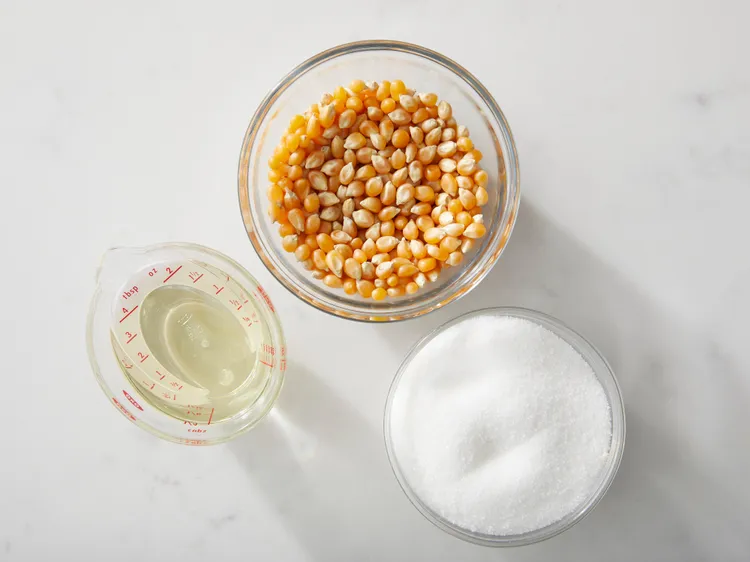
Popcorn Kernels
Use fresh, high-quality popcorn kernels for the best popping results.
Fresh kernels contain the right amount of moisture inside, allowing them to expand fully during cooking.
Yellow popcorn produces larger, fluffier pieces, while white popcorn creates smaller, more tender popcorn.
Vegetable Oil
Oil helps distribute heat evenly while preventing the sugar from burning.
Good choices include:
- Vegetable oil
- Canola oil
- Coconut oil
- Avocado oil
Avoid oils with very strong flavors, as they can overpower the sweetness.
Granulated Sugar
Regular white sugar creates the classic light coating found on traditional kettle corn.
It melts quickly and caramelizes evenly without becoming too heavy.
Salt
Fine salt sticks better to the popcorn than coarse salt.
The salt balances the sweetness and creates the signature sweet-and-salty flavor.
Easy Homemade Kettle Corn Recipe
Ingredients
- ½ cup popcorn kernels
- ¼ cup granulated sugar
- 3 tablespoons vegetable oil
- ½ teaspoon fine salt
Step-by-Step Instructions
Step 1: Heat the Oil
Choose a large heavy-bottomed pot with a tight-fitting lid.
Add the vegetable oil and place the pot over medium heat.
To test if the oil is ready, add two or three popcorn kernels. Once they pop, the oil has reached the ideal temperature.
Step 2: Add the Ingredients
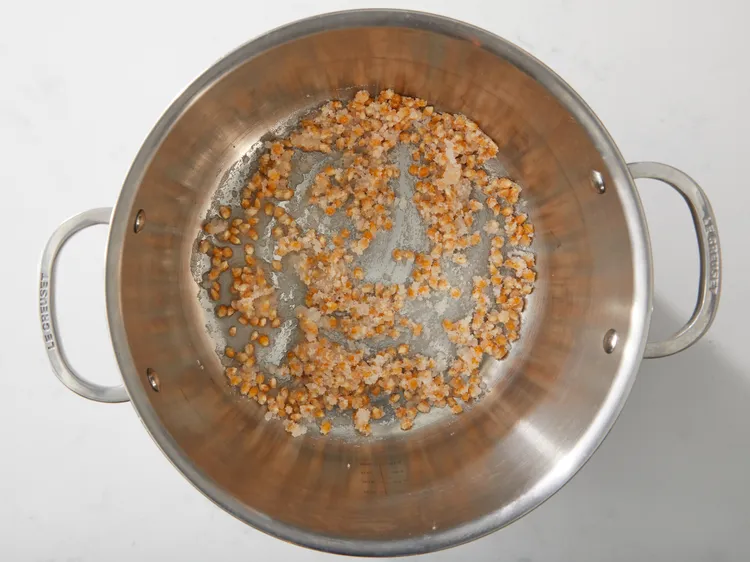
Remove the test kernels if desired.
Add the remaining popcorn kernels and sprinkle the sugar evenly over them.
Quickly place the lid on the pot.
Give the pot a gentle shake to distribute the sugar before the popping begins.
Step 3: Shake the Pot Constantly
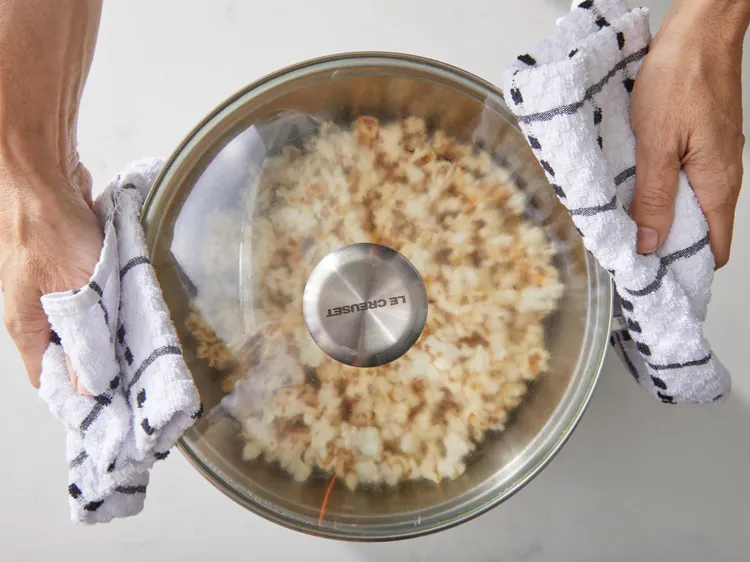
As the kernels begin popping, gently shake the pot every few seconds.
Continuous movement prevents the sugar from settling on the bottom, where it could burn.
You’ll hear the popping become faster as more kernels expand.
Step 4: Listen Carefully
When the popping slows to about two or three seconds between pops, immediately remove the pot from the heat.
Waiting too long can cause the sugar to burn and give the popcorn a bitter taste.
Step 5: Season the Kettle Corn
Carefully remove the lid while keeping your hands away from the steam.
Sprinkle the salt evenly over the popcorn.
Gently stir or shake the popcorn so the seasoning coats every piece.
Step 6: Cool Before Serving
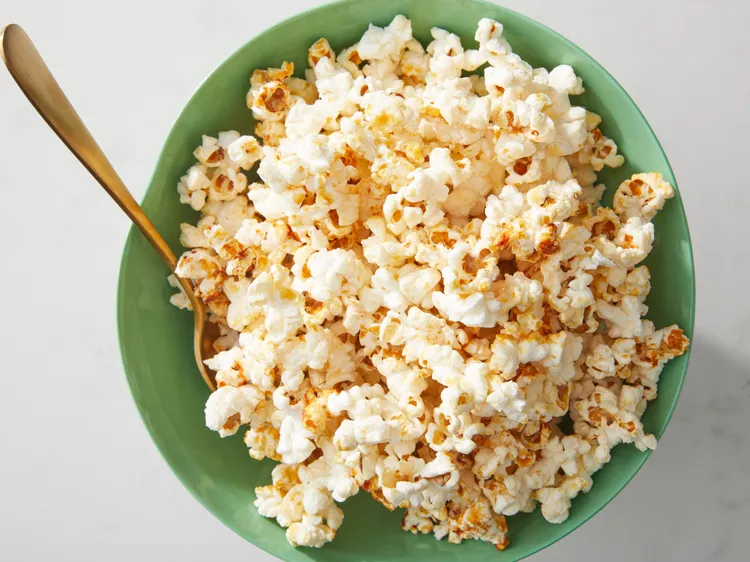
Spread the kettle corn onto a large baking sheet lined with parchment paper.
Allow it to cool for five to ten minutes.
As it cools, the sugar coating becomes crisp and crunchy.
Break apart any clusters before serving.
Tips for Perfect Kettle Corn
A few simple techniques can help you achieve consistently great results.
Use Medium Heat
High heat may burn the sugar before all the kernels have popped.
Medium heat provides enough time for the popcorn to cook evenly.
Shake Constantly
Shaking keeps the sugar moving and prevents it from sticking to the bottom of the pot.
Even a few seconds without movement can lead to burnt sugar.
Don’t Overfill the Pot
Popcorn expands significantly.
Choose a pot that’s large enough to allow plenty of room for the kernels to pop.
Work Quickly
Have all your ingredients measured and ready before turning on the stove.
Once the sugar begins melting, timing becomes important.
Spread the Popcorn Immediately
Cooling the popcorn in a single layer prevents large sticky clumps from forming.
Delicious Flavor Variations
Classic kettle corn is wonderful on its own, but there are many creative ways to customize it.
Cinnamon Sugar Kettle Corn
Mix one teaspoon of cinnamon with the sugar before adding it to the pot.
The warm spice complements the sweetness beautifully.
Vanilla Kettle Corn
Lightly drizzle vanilla extract over the popcorn after it has cooled slightly.
Toss gently to distribute the flavor.
Chocolate Drizzle
After the popcorn has cooled, drizzle melted dark or milk chocolate over the top.
Allow it to harden before serving.
Pumpkin Spice Kettle Corn
Sprinkle pumpkin pie spice over the finished popcorn during the fall season.
Honey Kettle Corn
Replace part of the sugar with a small amount of honey after popping for a slightly different sweetness.
Spicy Sweet Kettle Corn
Add a pinch of cayenne pepper or chili powder for a sweet-and-spicy combination.
Common Mistakes to Avoid
Even simple recipes can go wrong without proper technique.
Using heat that’s too high often burns the sugar.
Adding too much sugar creates heavy clumps.
Failing to shake the pot causes uneven coating and burnt spots.
Leaving the popcorn on the heat too long results in scorched kernels.
Removing the lid too early may allow unpopped kernels to fly out.
Is Kettle Corn Healthier Than Other Snacks?
Compared to many packaged snack foods, homemade kettle corn can be a lighter option because it’s made with simple ingredients and contains whole-grain popcorn.
Popcorn itself is naturally high in fiber and contains antioxidants known as polyphenols. However, kettle corn does include added sugar, so moderation is still important.
Making it at home also allows you to reduce the sugar or salt to match your dietary preferences.
How to Store Kettle Corn
Proper storage keeps kettle corn fresh and crunchy.
Allow it to cool completely before placing it in an airtight container.
Store it at room temperature for up to one week.
Avoid refrigeration, as moisture can make the popcorn soft.
For longer storage, use resealable bags or airtight food containers.
Can You Make Kettle Corn Without Oil?
Air-popped popcorn alone doesn’t work well for traditional kettle corn because the sugar needs oil to melt and coat the kernels properly.
If you prefer a lighter version, air-pop the popcorn first and lightly coat it with a small amount of melted butter or cooking spray before sprinkling on cinnamon sugar or another seasoning. While the texture won’t be identical to classic kettle corn, it’s still a tasty alternative.
Best Occasions to Serve Kettle Corn
Kettle corn fits almost any occasion.
Serve it during family movie nights for a fun homemade snack.
Package it in decorative bags for holiday gifts or party favors.
Add it to snack boards with nuts, dried fruit, and pretzels.
Bring it to picnics, school events, and sporting games.
It’s also a great addition to birthday parties, especially when served in individual paper cones or popcorn boxes.
Why Homemade Kettle Corn Is Better Than Store-Bought
Freshly made kettle corn offers a crisp texture and balanced flavor that’s difficult to match with packaged products. You control every ingredient, allowing you to reduce sugar, experiment with seasonings, or choose high-quality oils.
Homemade versions also avoid many preservatives and artificial flavorings commonly found in commercially packaged snacks. The result is a fresher, more satisfying treat that’s simple to prepare and enjoyable to share.
Kettle corn is proof that the simplest recipes are often the most memorable. With just popcorn kernels, oil, sugar, and salt, you can create a snack that’s sweet, salty, crispy, and incredibly satisfying. Whether you’re recreating the nostalgic flavors of a county fair or preparing a quick treat for family movie night, homemade kettle corn is always a great choice.
Its versatility makes it easy to customize with spices, chocolate, or seasonal flavors, while its quick preparation means you can enjoy fresh popcorn whenever the craving strikes. Once you’ve mastered the basic technique, you’ll find yourself making kettle corn for everything from parties to quiet evenings at home.
The next time you’re looking for a snack that’s simple, affordable, and full of flavor, skip the packaged options and make a fresh batch of homemade kettle corn instead.
Frequently Asked Questions
1. What is the difference between kettle corn and caramel corn?
Kettle corn is lightly coated with melted sugar during the popping process, creating a thin, crisp coating. Caramel corn is covered in a thicker caramel sauce made with butter, brown sugar, and often corn syrup before being baked.
2. Why does my kettle corn burn?
Burning usually happens when the heat is too high or the pot isn’t shaken frequently. Medium heat and constant shaking help prevent the sugar from scorching.
3. Can I make kettle corn without a popcorn machine?
Yes. A heavy-bottomed pot with a tight-fitting lid is all you need to make delicious homemade kettle corn on the stovetop.
4. How do I keep kettle corn crispy?
Let it cool completely before storing it in an airtight container. Moisture is the main cause of soggy popcorn.
5. Can I use brown sugar instead of white sugar?
You can, but brown sugar contains more moisture and molasses, which may create a stickier coating and slightly different flavor than classic kettle corn.